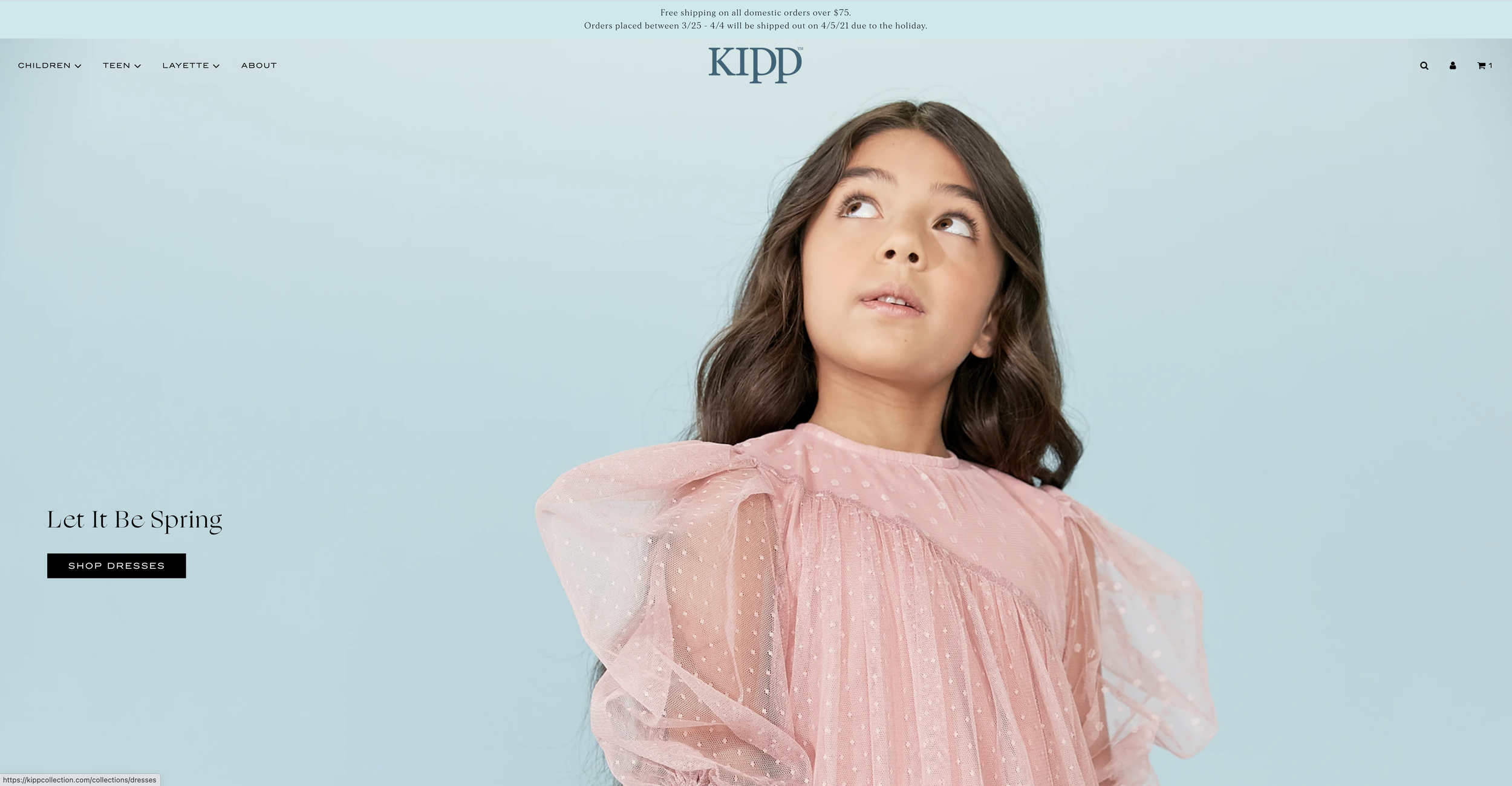
KIPP
Repositioning a legacy kidswear brand from B2B to D2C through research-led UX strategy
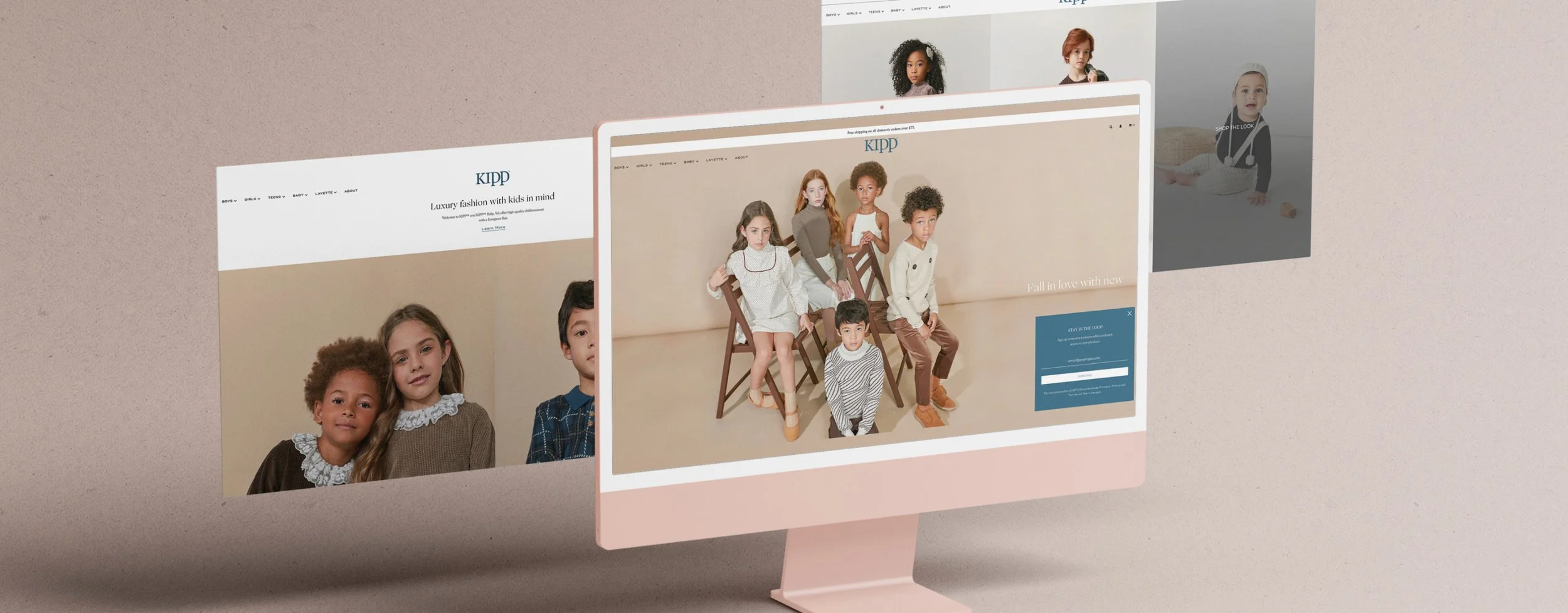
D2C transformation of a B2B kidswear brand through social media commerce, eCommerce and research-led UX strategy.
KIPP, a children’s fashion brand known for quality and affordability, operated primarily through wholesale retail partnerships across North America, Canada, and Europe. In early 2020, COVID-19 halted retail distribution, eliminating its primary revenue channel. This was not just a website redesign. It was a revenue infrastructure rebuild.
I led the end-to-end transition from wholesale (B2B) to a direct-to-consumer (D2C) eCommerce model on Shopify. The initiative integrated UX research, Instagram Shopping activation, influencer collaboration, packaging design, content strategy, and platform decision-making under time and operational constraints.
Role
Digital Experience Manager
Timeline
6 months
Team
1 Business Owner
2 Vendors
Tools
Figma, Adobe CC, Shopify
Shipped Deliverables ✅ 🚀
Research, Prototype, Shopify Website, Marketing, Branding
Metrics 📊
45%
increase in website traffic post-launch
67%
sales growth in first quarter of D2C launch
3× growth
in Instagram following within six months
Social media pulled primary acquisition channel adding to the core demographic orders
Product & Platform Strategy
Led the wholesale-to-D2C transition strategy, aligning UX execution with revenue recovery during COVID retail shutdowns.
Architected a social-commerce model leveraging Instagram Shopping and wholesale brand affinity as primary acquisition drivers.
Terminated the failing custom build and migrated to Shopify to protect launch timelines and backend stability.
What I did…
Brand, Growth & Launch
Led art direction and visual merchandising, producing seasonal photoshoots and product imagery to elevate perceived value and digital trust.
Activated Instagram Shopping with shoppable posts, optimized landing pages, and a mobile-first conversion flow.
Executed paid and organic social campaigns, aligning content, packaging, and digital experience into a unified go-to-market launch.
Research & UX Architecture
Conducted stakeholder (n=5) and user interviews (n=17), synthesizing insights into IA, flows, and conversion features.
Built the sitemap, systems map, customer journeys, and mobile-first checkout structure.
Designed dual user flows (returning vs. new Instagram users) to optimize conversion.
Prioritized Quick Add-to-Cart, guest checkout, detailed PDPs, and editorial landing pages based on usability validation.
Business Problem
Opportunity
Replace wholesale revenue through D2C within the same fiscal year.
Reconstruct physical retail trust in a digital environment.
Convert Instagram engagement into measurable transactions.
Compete with wholesale resellers while protecting brand perception.
Launch within six months under pandemic constraints.
Opportunity
Convert wholesale trust + Instagram discovery into a social-commerce conversion system.
Primary KPI: Sales revenue
Secondary KPI: Social growth and audience expansion
Demographic Foundation
This was not a generic fashion audience. It was mobile-first, time-constrained parents making practical purchasing decisions.
01
Primary users were young mothers
02
Secondary users included fathers
03
Tertiary buyers as grandparents
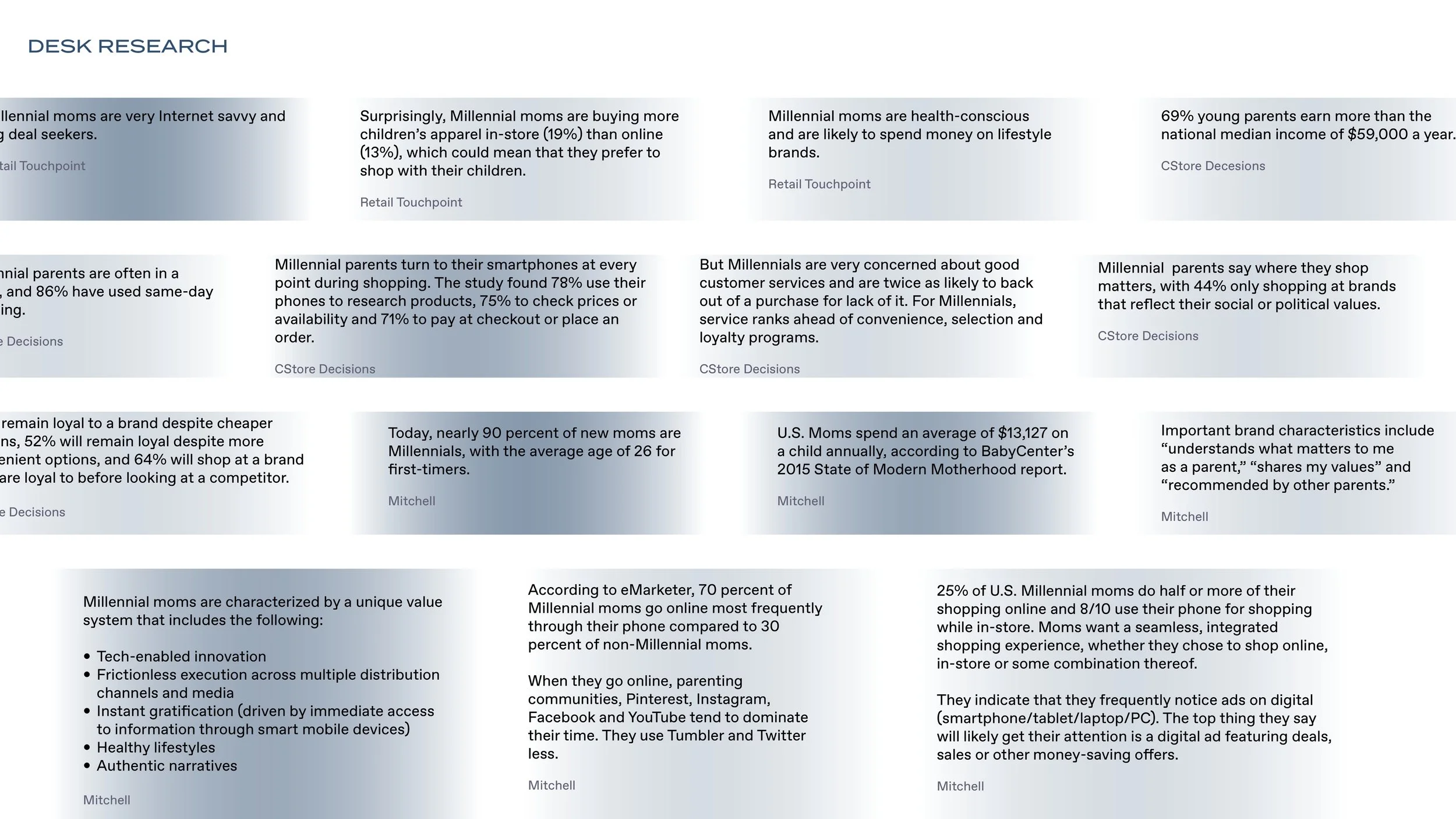
Industry research on millennial mothers supports this behavioral pattern:
High mobile usage for apparel purchases
Strong reliance on social media for discovery
Preference for speed, transparency, and frictionless checkout
Higher scrutiny when purchasing for children vs self
Discovering products on Instagram and completing checkout on web
This validated the need for a mobile-first social-commerce experience.
Research Methodology
-
Stakeholder interviews clarified operational priorities, including inventory management, checkout reliability, and cross-device compatibility.
Conversion performance was treated as a strategic requirement rather than a post-launch optimization.
-
Primarily with young mothers who represented the brand’s primary segment. Interviews explored product discovery behavior, trust indicators, mobile usage patterns, checkout friction, and differences between shopping for themselves versus shopping for their children.
Questions explored:
Online shopping frequency for children
Instagram discovery behavior
Mobile vs desktop preference
Crucial purchase features
Trust indicators
Differences between shopping for self vs children
Findings aligned with broader eCommerce research indicating that mothers are highly mobile-dependent shoppers, frequently discover products through social media, and prioritize speed, clarity, and transparency when making purchase decisions.
-
Analyzed:
Internal sales data
Online shopping trends
Social commerce growth
Competitive editorial fashion experiences
This validated rising expectations for visual storytelling and frictionless checkout in D2C environments.
To de-risk the transition, I conducted stakeholder interviews, user interviews, desk research, and usability testing.
The research strategy encompassed both qualitative and quantitative methodologies to ensure robust data collection and validation.
Interview Quotes
Key Insights
Instagram functioned as the beginning of the shopping journey
The website served primarily as a conversion environment. Therefore, the experience needed to optimize the transition from social discovery to purchase completion.
Trust had to be reconstructed digitally
In physical retail, trust is tactile and contextual. Online, trust must be communicated through detailed product descriptions, fabric transparency, multiple garment angles, and clear return policies.
Concerned with time efficiency
Young mothers frequently shop in short time windows. Lengthy navigation structures or multi-step checkouts introduced abandonment risk.
Related to perceived value
Editorial-style photography and lifestyle context increased confidence in quality and pricing tolerance, supporting a D2C pricing model positioned slightly below wholesale retailers.
Research Synthesis
1. Trust & Transparency
Users wanted:
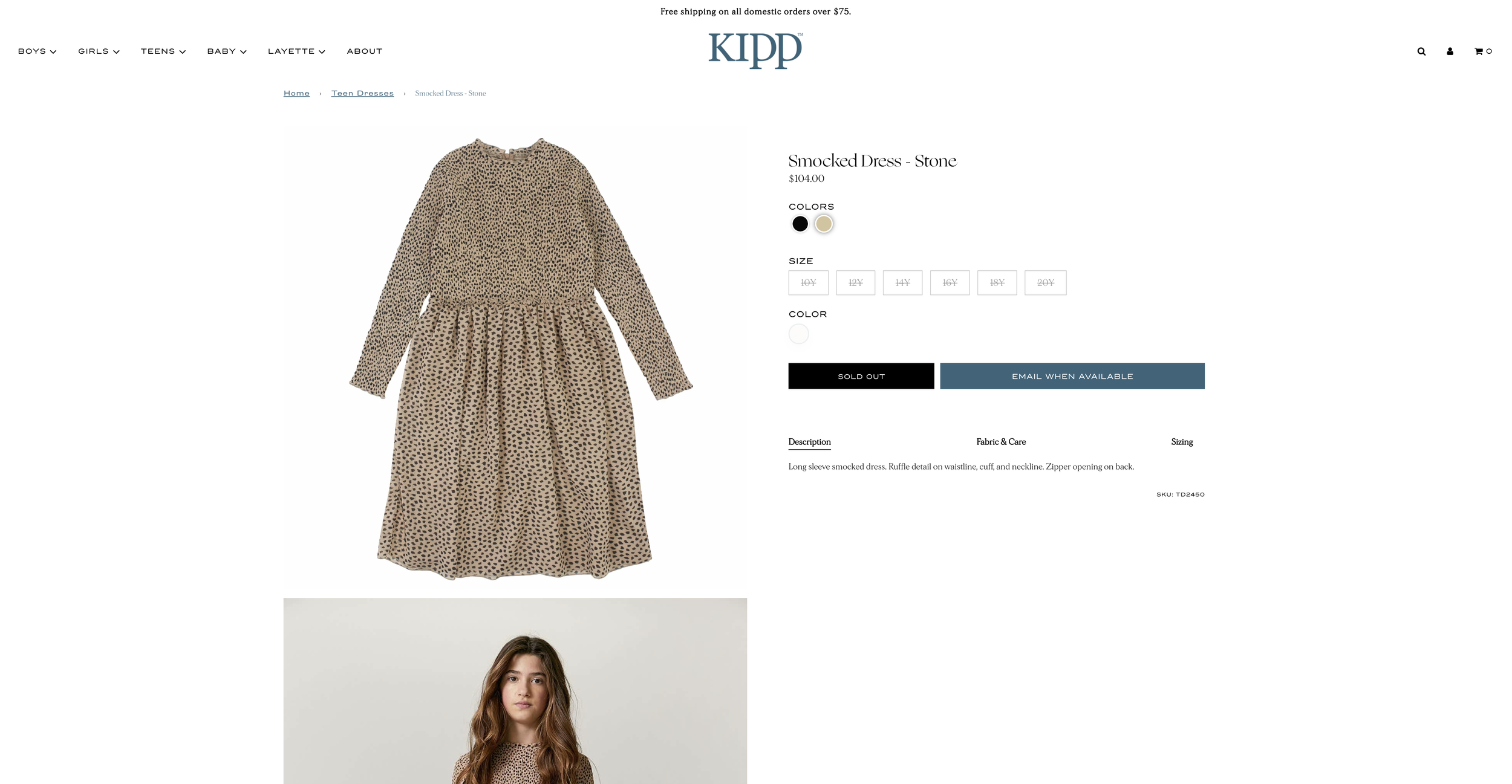
Fabric details
Care instructions
Close-up garment imagery
Reduced returns
This led to detailed product pages with:
Material transparency
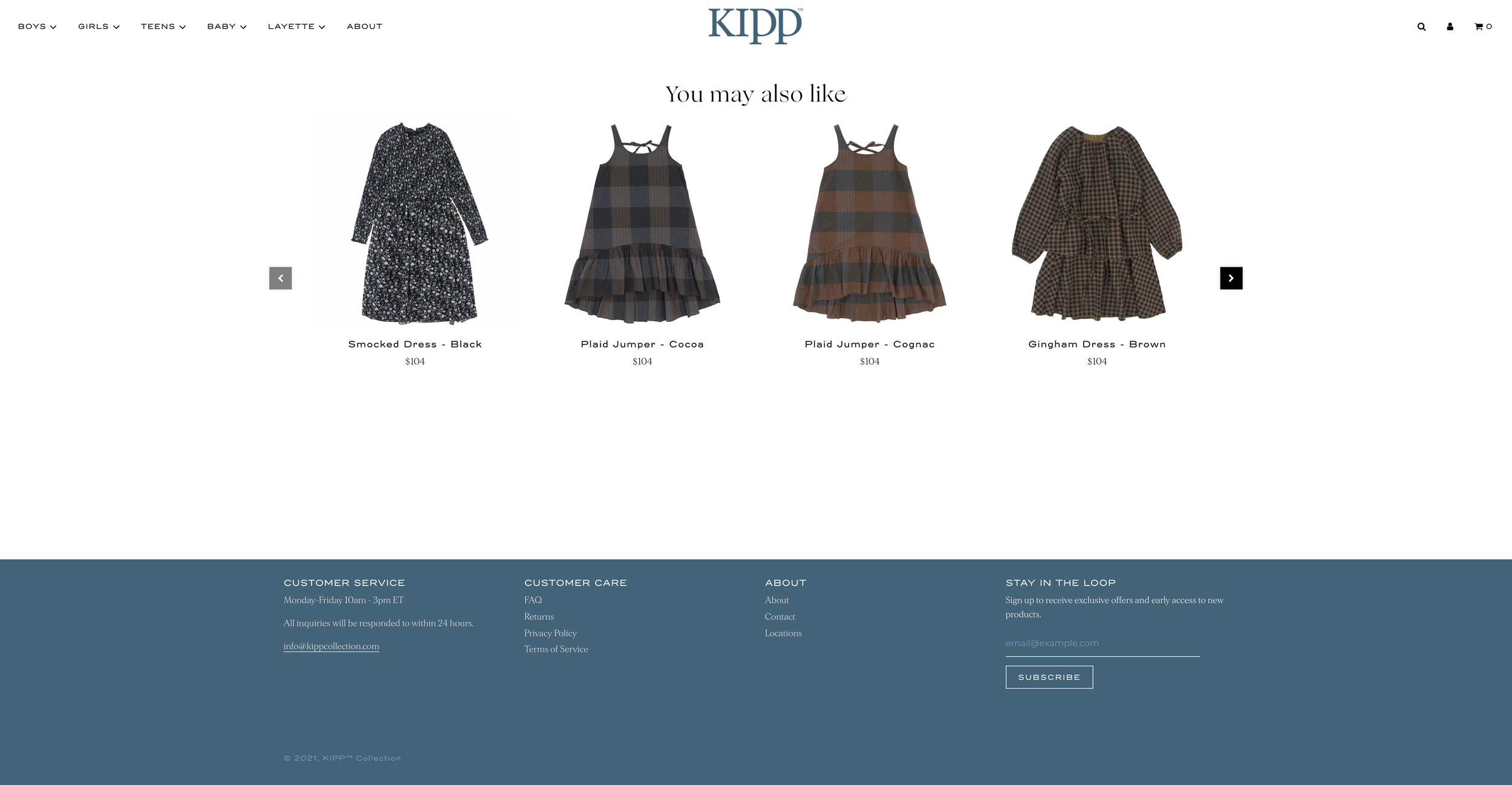
“You May Also Like” cross-sell logic
Combined lifestyle + technical imagery
2. Speed & Reduced Friction
Interview insight:
“An easy navigation and shorter scrolls are important for a quicker checkout.”
Execution:
Quick Add to Cart
Guest checkout
Simplified IA
Reduced scroll depth
Two distinct checkout flows
New User
Returning User
3. Editorial Aesthetic & Perceived Value
Users appreciated lookbook-style presentation
Execution:
Zara-inspired moodboarding
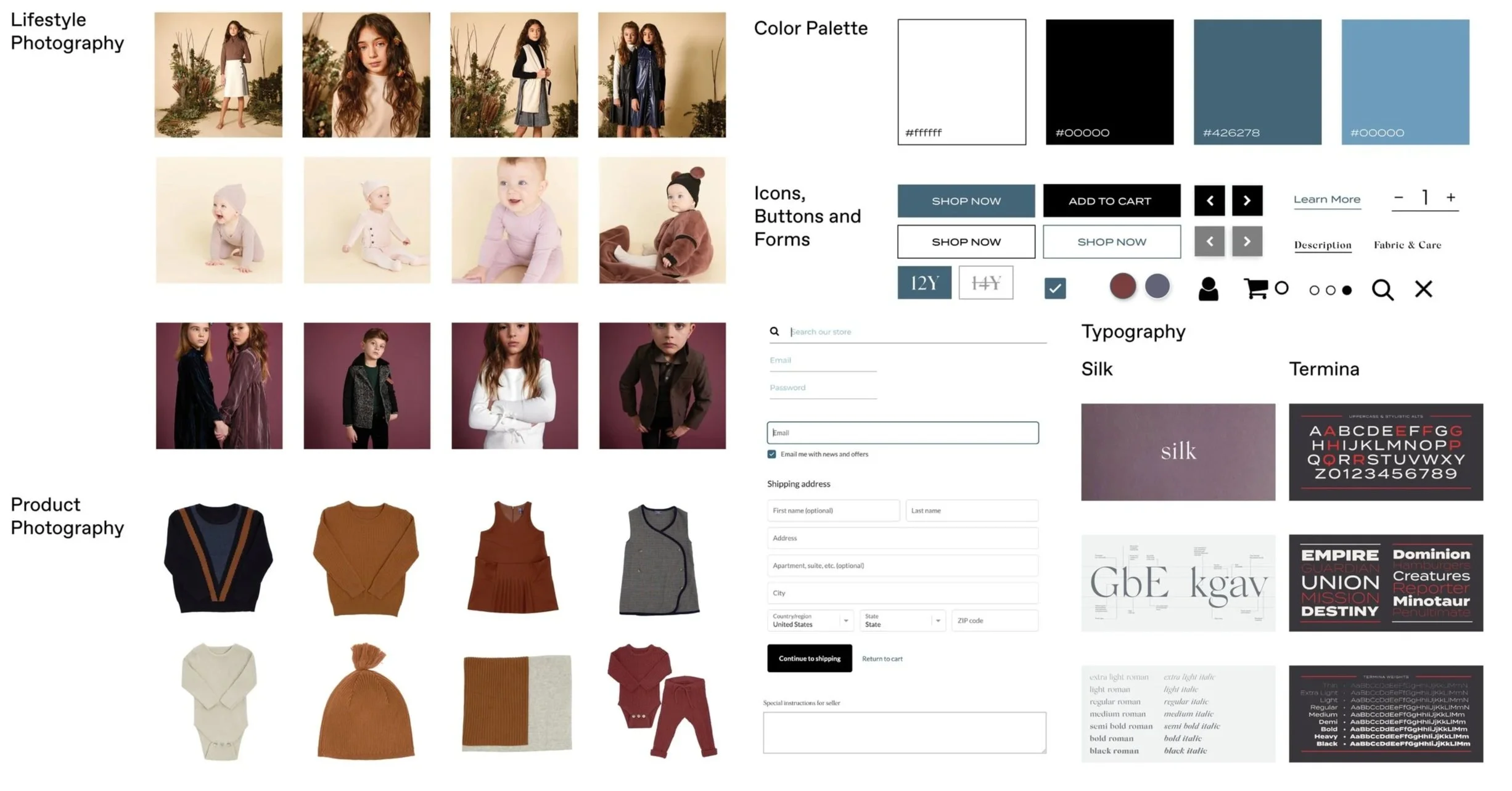
Seasonal palette dominance
Minimal brand color interference
Clean typography system (Miller Banner + Century Gothic)
User Personas
UX Strategy and System Architecture
Based on behavioral segmentation, I designed two distinct user flows: one optimized for returning customers seeking efficiency and another designed for first-time Instagram-driven users requiring reassurance and brand introduction.
Returning User Flow:
Account → Product → Quick Add → Saved Info Checkout
New Instagram User Flow:
Product → Add to Cart → Guest Checkout → Shipping → Payment
Instagram conversion Flow:
Instagram Post → Shoppable Tag → Product Page → Quick Add → Streamlined Checkout
This dual-flow structure addressed familiarity variance between user segments.
Information Architecture
Information architecture was simplified to reduce cognitive load. Navigation categories were aligned with user mental models rather than merchandising conventions.
Systems Map
This map helped sketch out the pages and navigation needed for the most optimized experience and quickest checkout on the website.
Customer Journey Mapping
A customer journey has been outlined for Shula, conceptualizing her experience as that of a loyal customer eagerly anticipating the arrival of her purchases. Based on the insight and research an ideal scenario was sketched out taking into account transitioning between social media and the website.
Design Process
Moodboarding
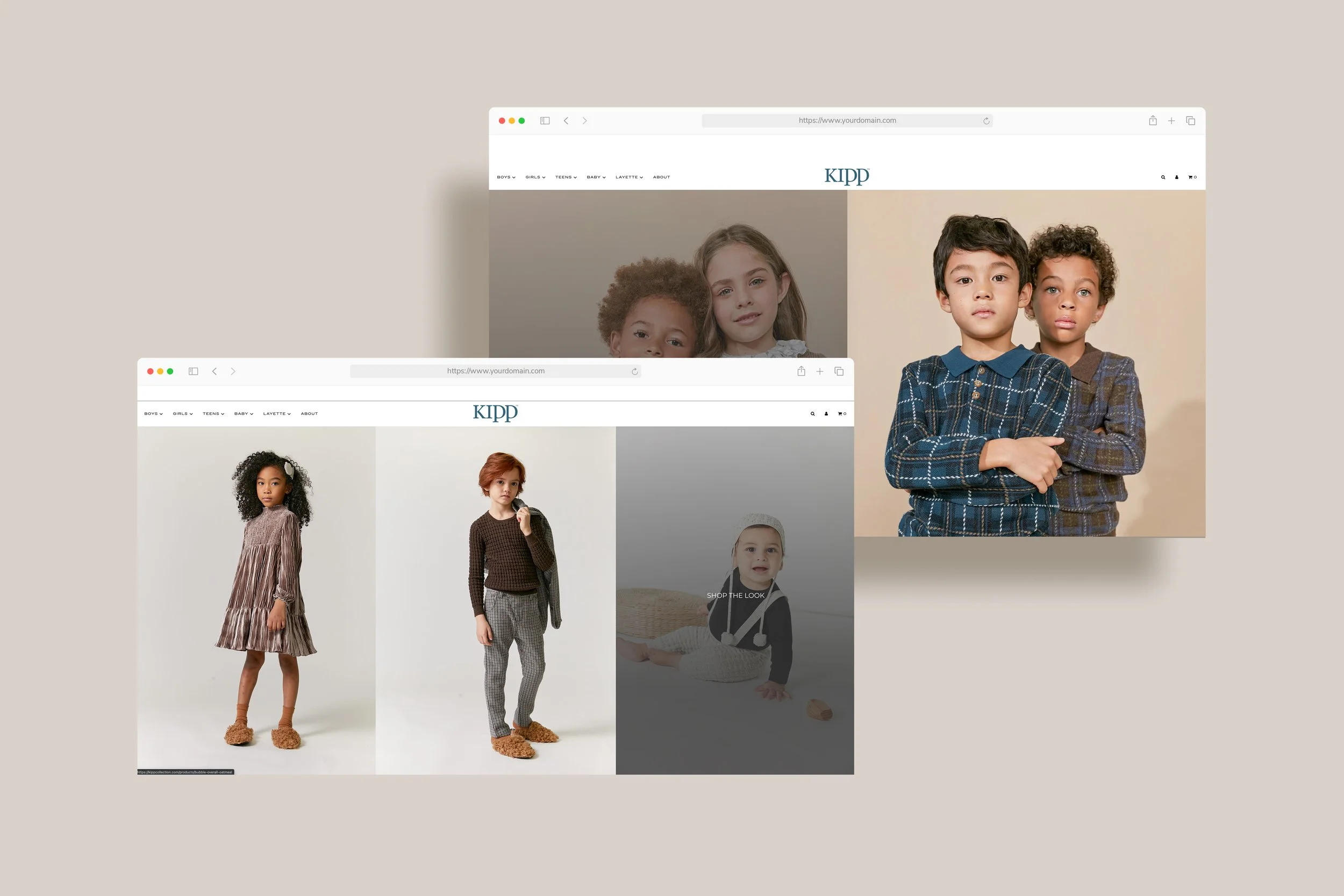
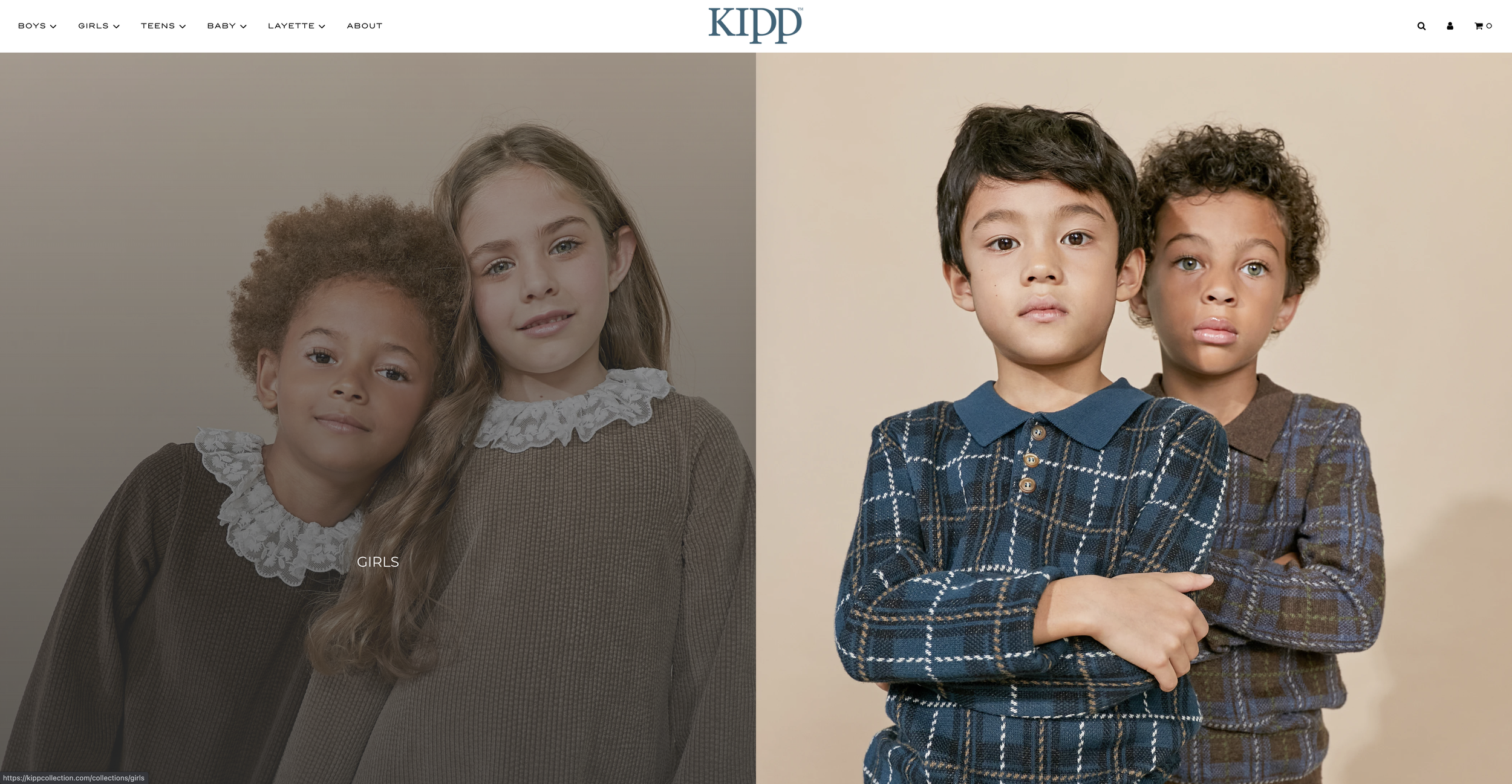
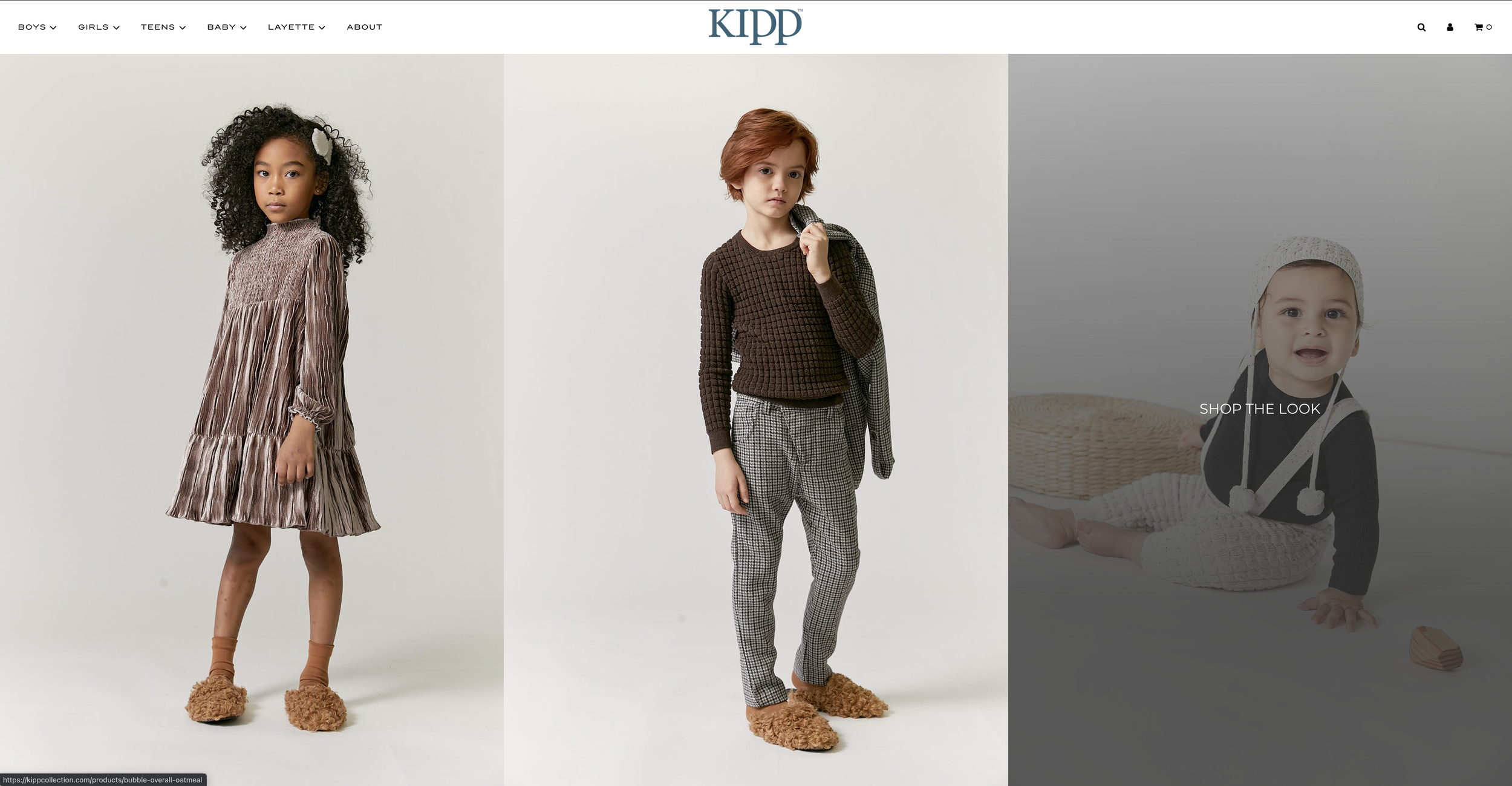
To initiate the design process, we examined Zara's website. Inspired by the idea of a lookbook-style landing page, the goal was to captivate users, encouraging them to delve into the new collection and immerse themselves in the autumn ambiance portrayed through the art direction of the photoshoot.
Similarly, I sought websites with a clean, modern aesthetic infused with poetic imagery to establish the desired tone and atmosphere.
Low- Fidelity Prototyping
Low-fidelity prototypes emphasized hierarchy and imagery. The main goal was to enrich user engagement during their browsing experience by emphasizing imagery, age/gender categories, and product categories, along with promotions.
This strategy generally increases the probability of a purchase while also enhancing the overall brand experience, inviting users to immerse themselves in the visual narrative of the brand.
High- Fidelity Prototyping
Designed and delivered high-fidelity key pages for development validation.
Usability Testing
High-fidelity testing revealed:
Oval buttons failed usability → removed
Hamburger navigation caused issues → refined
Quick Shop + Wishlist performed well → retained
Lookbook homepage highly appreciated
Design decisions were validated behaviorally.
Development Breakdown & Platform Pivot
During handover, contractual misalignment and evolving design requirements created implementation challenges. To meet timeline constraints and reduce execution risk, the team pivoted from a custom build to a Shopify-based solution for faster deployment. The vendor-coded custom site failed QA testing:
Crashes
Design inconsistencies
Timeline extensions
Added costs
Given pandemic urgency, I made the strategic decision to abandon the custom build and migrate to Shopify.
Rationale:
Faster deployment
Stable checkout
Scalable inventory backend
Reduced dependency on vendor delays
This preserved launch timing and revenue goals.
Visual Design
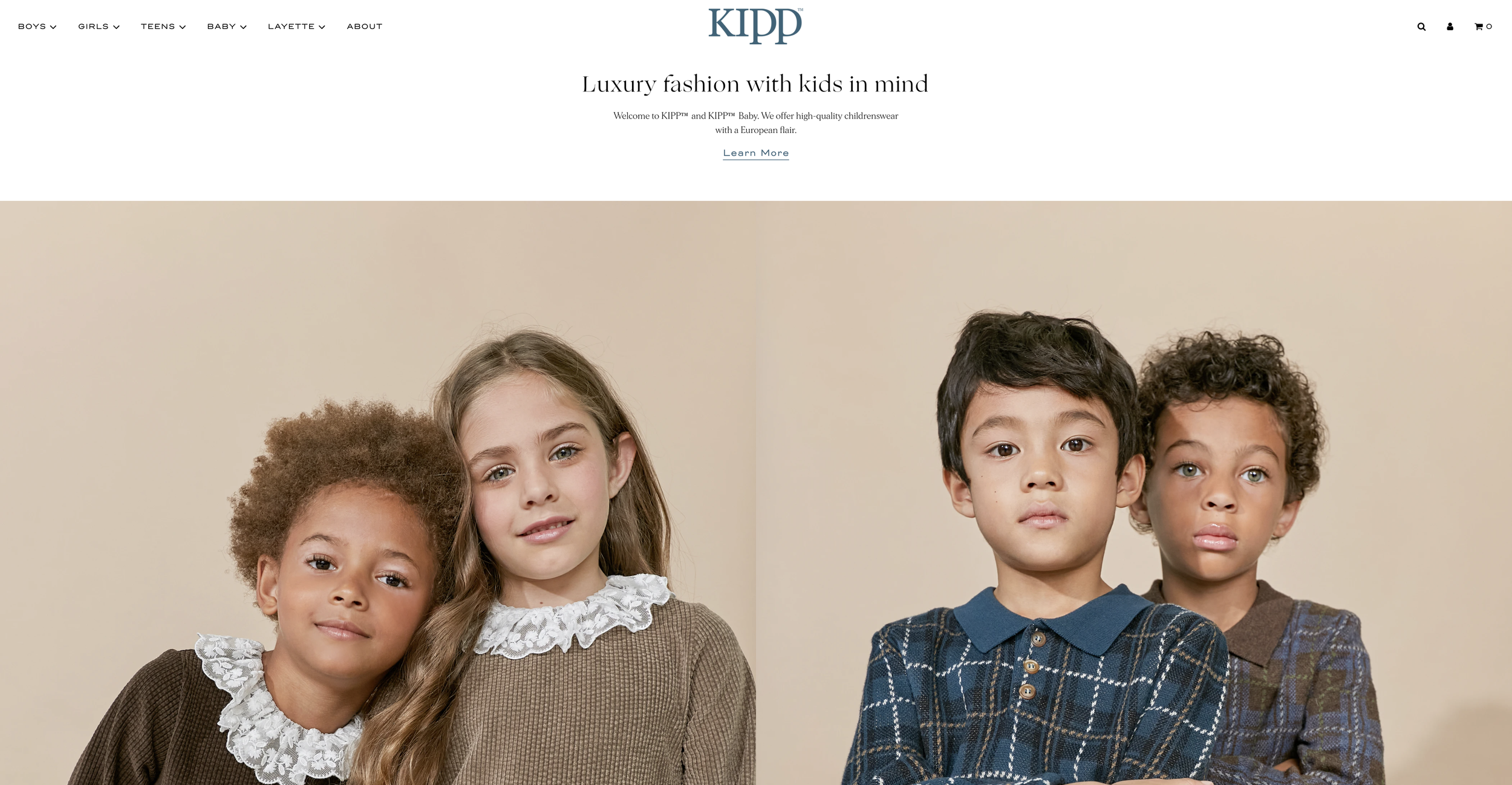
We intentionally restricted brand colors to core touchpoints such as buttons and logos, allowing the seasonal palette to lead the visual experience. Identifying a typeface that complemented the custom logo presented a challenge; to balance a contemporary UI with the brand’s classic, high-end positioning, Miller Banner was selected as the primary typeface and Century Gothic as the secondary. Leveraging Shopify reduced the need to build a fully custom design system, streamlining implementation.
Web Design Strategy
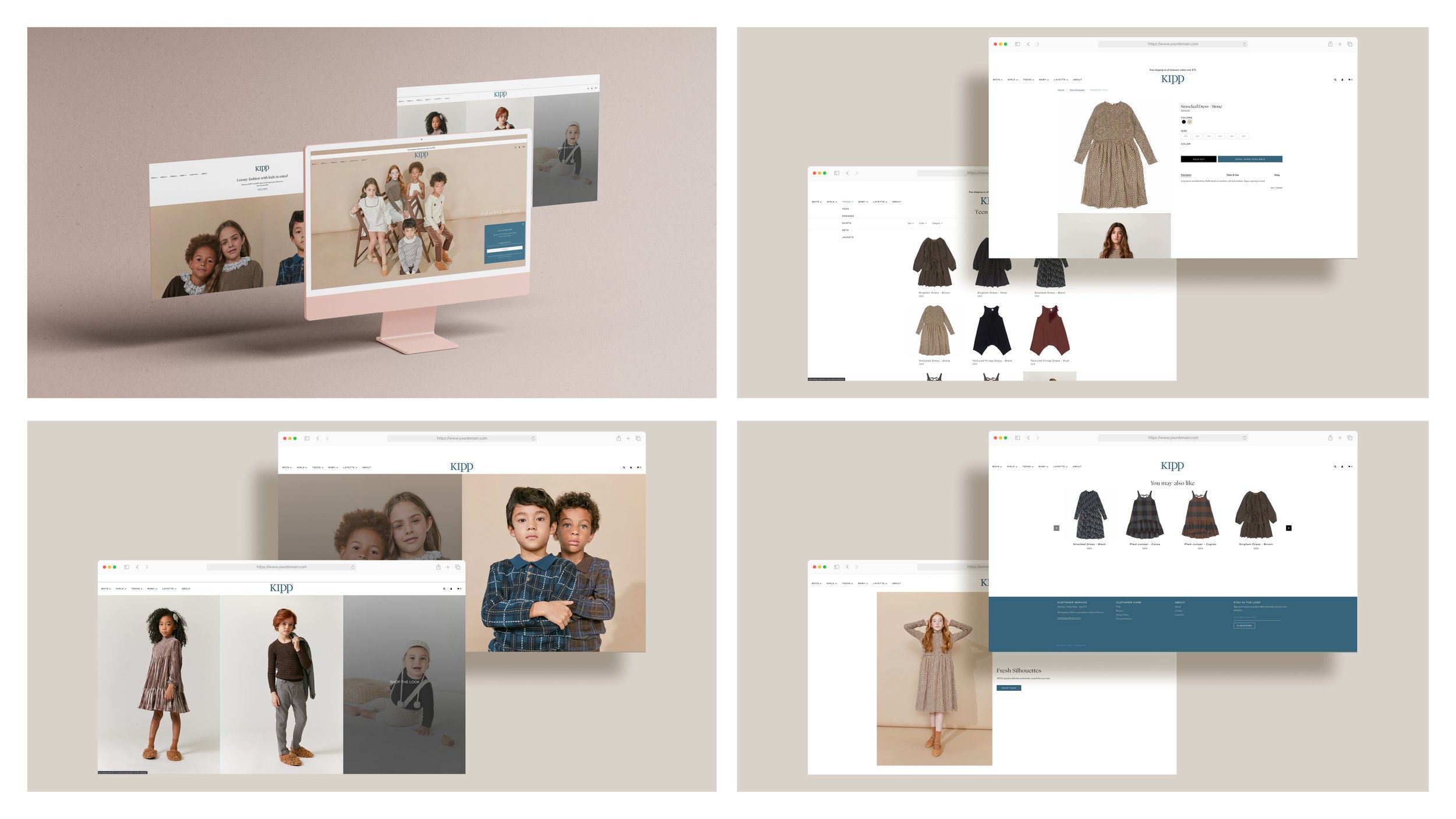
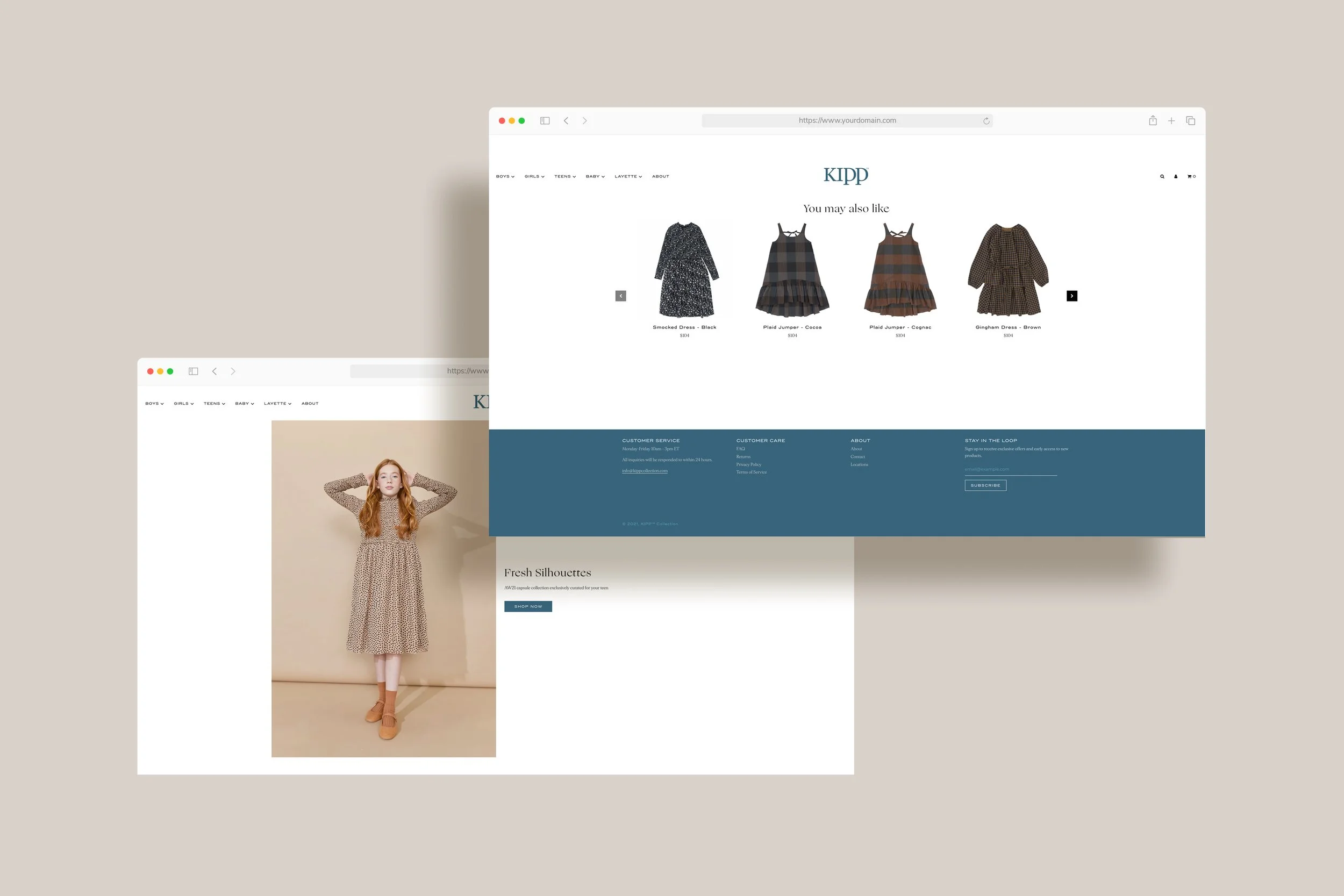
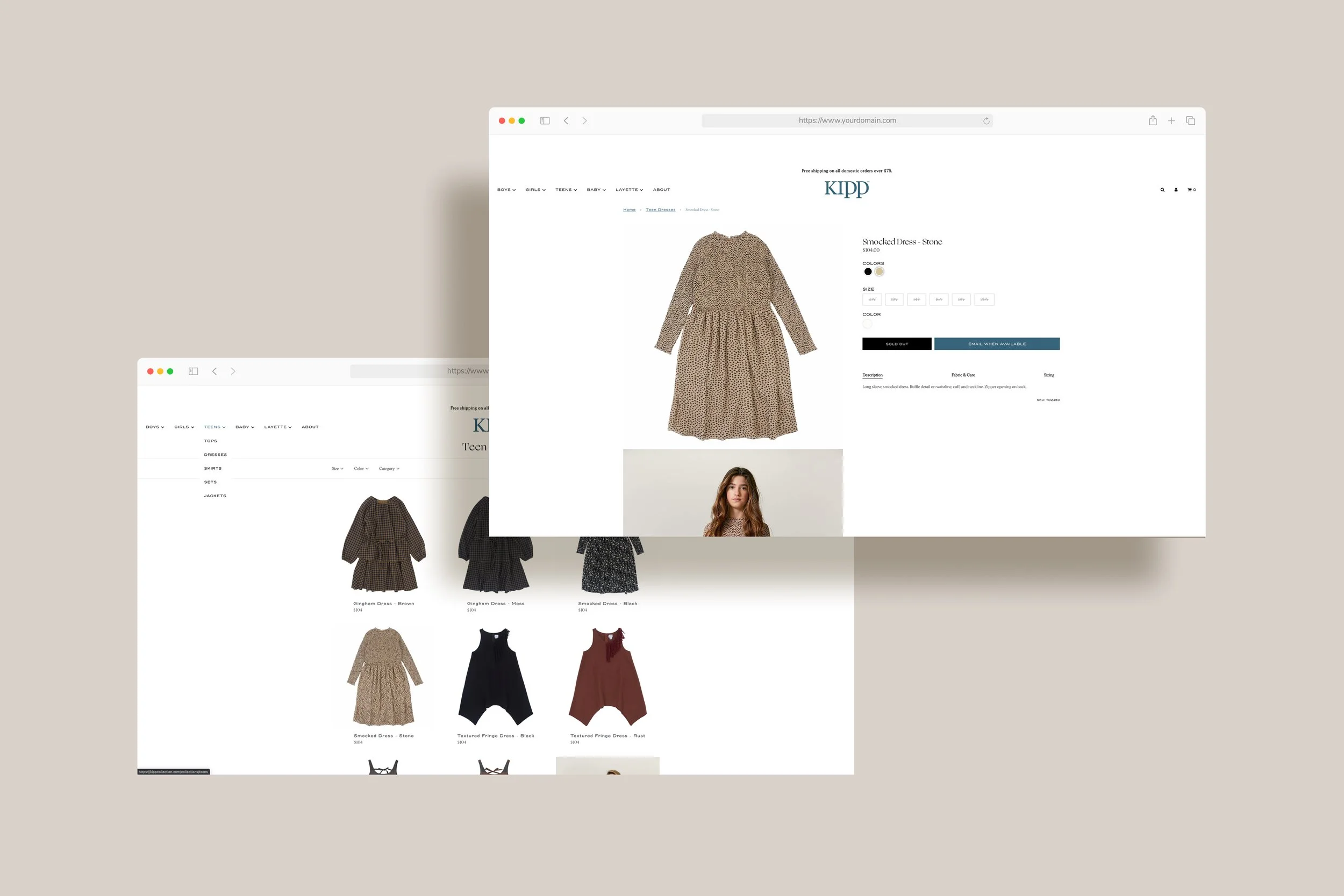
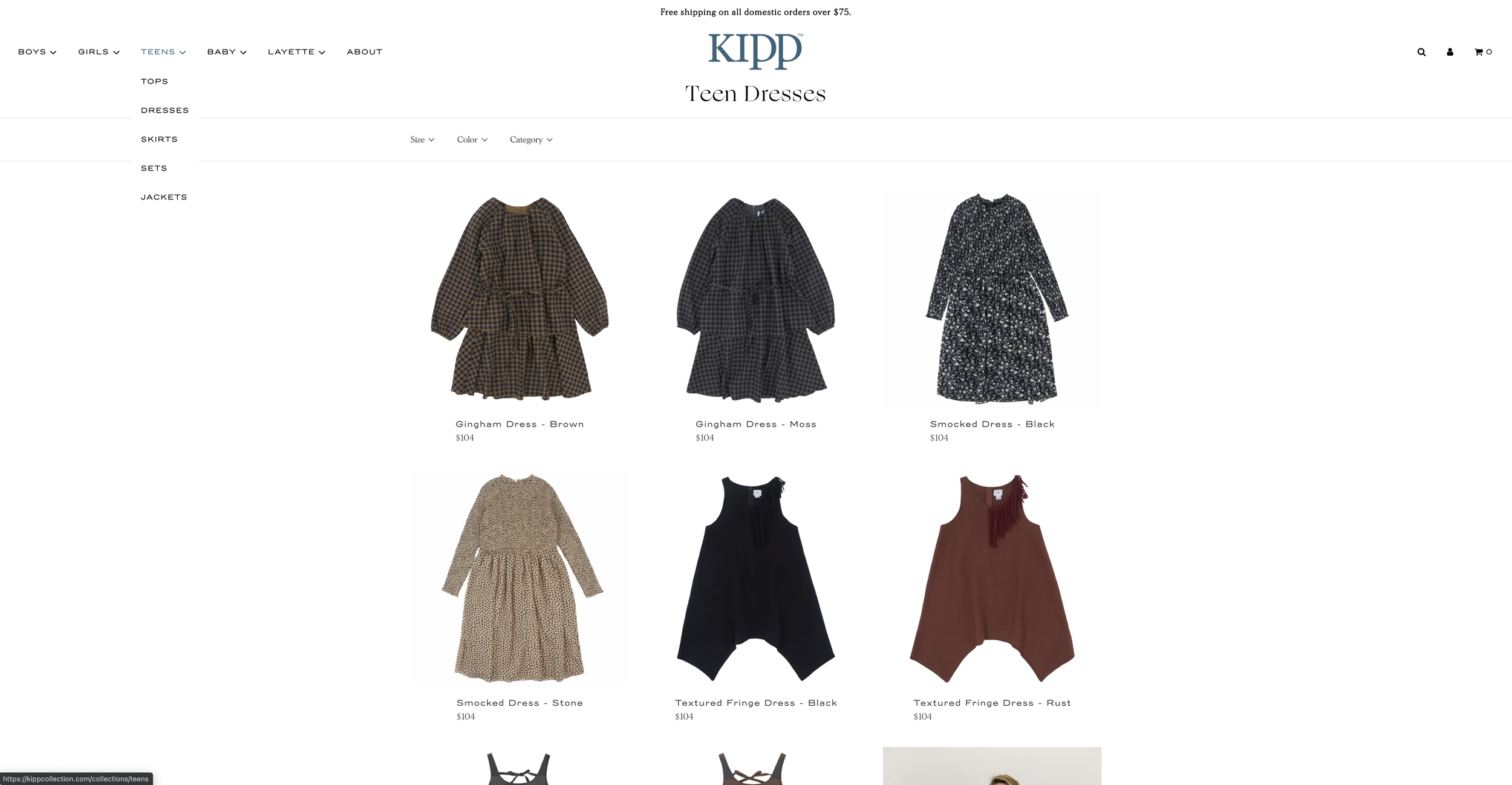
Product detail pages were expanded to include transparent material specifications, care instructions, close-up garment imagery, and contextual lifestyle photography.
Cross-sell logic was implemented to increase basket size while maintaining user relevance.
Quick Add-to-Cart functionality and a streamlined checkout process were implemented to minimize friction.
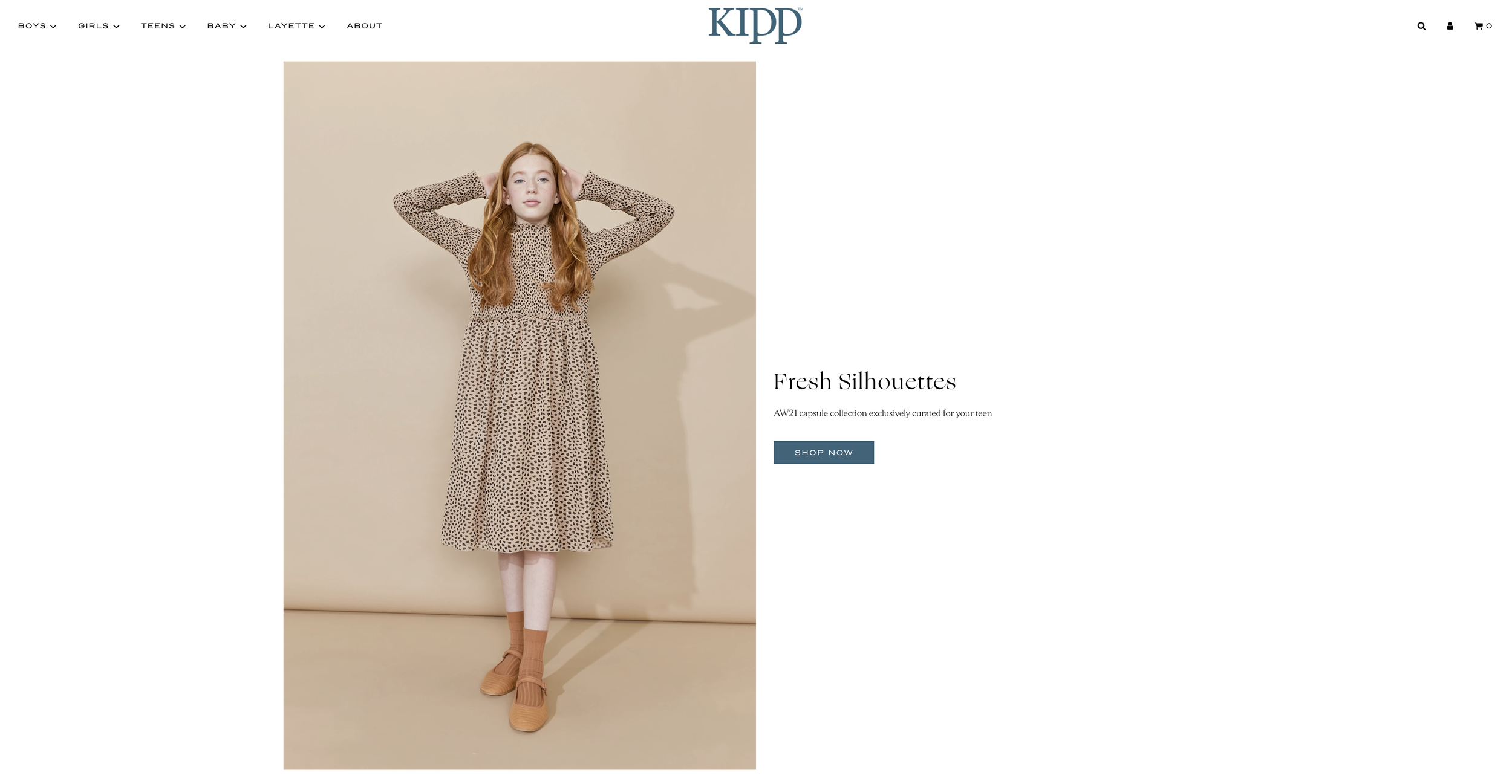
The homepage adopted a lookbook-style editorial presentation to reinforce brand positioning and elevate perceived quality.
Quick Shop and Wishlist functionality demonstrated positive engagement and were retained.
All design decisions were validated through iterative prototyping and usability testing. Features that impaired clarity, such as oval call-to-action buttons, were removed.
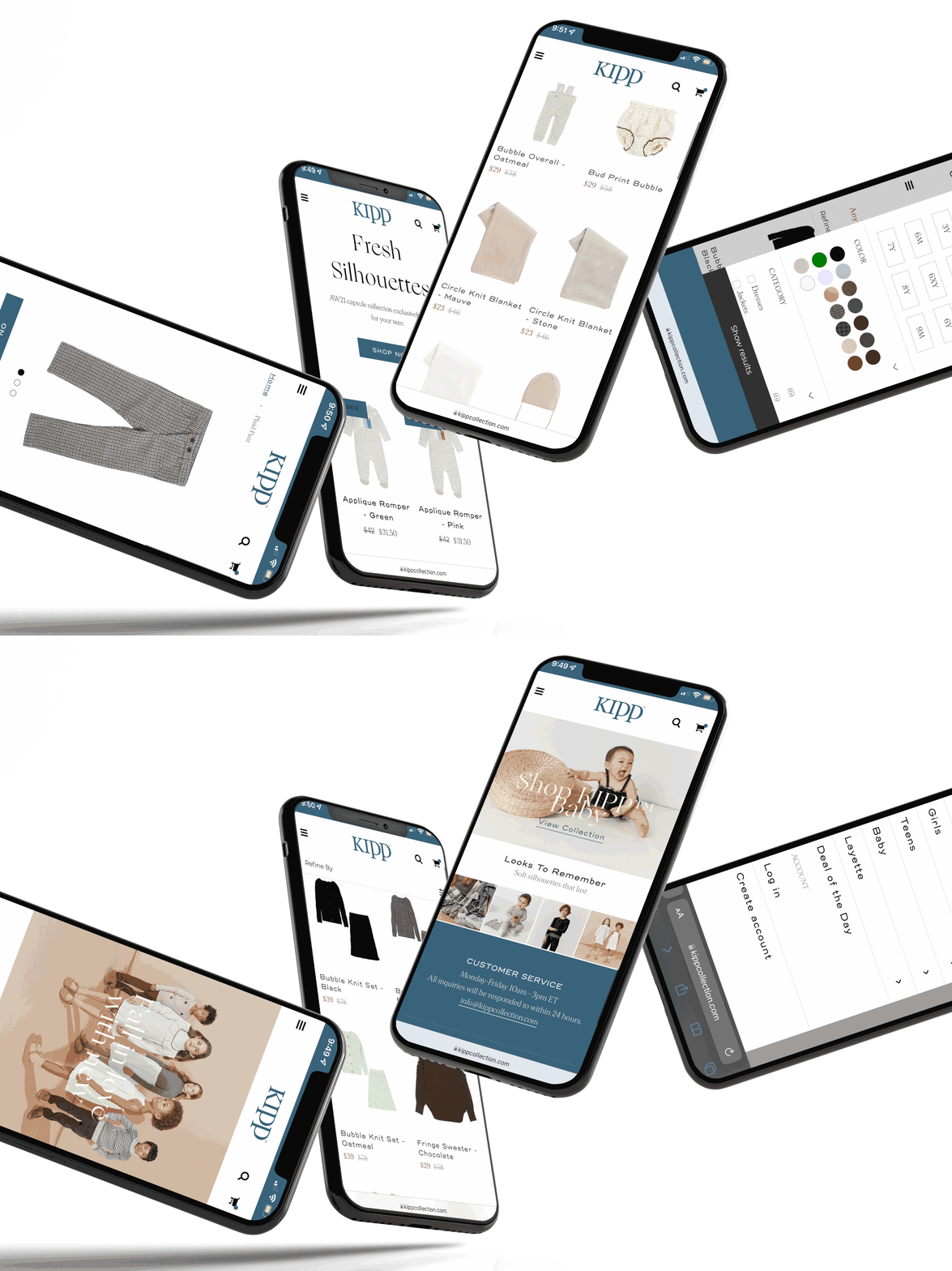
Responsive Mobile Website
Creating a mobile-first version was crucial, given that the e-commerce business strategy was centered around social media shopping, digital marketing, and influencer marketing.
Pricing Strategy
To remain competitive with wholesale resellers and other online sellers, products were priced slightly lower than typical retail store pricing. The pricing strategy was subtle and did not rely on aggressive discount positioning. Instead, premium visual presentation preserved perceived brand value while offering a rational incentive for direct purchase.
Branding and Packaging
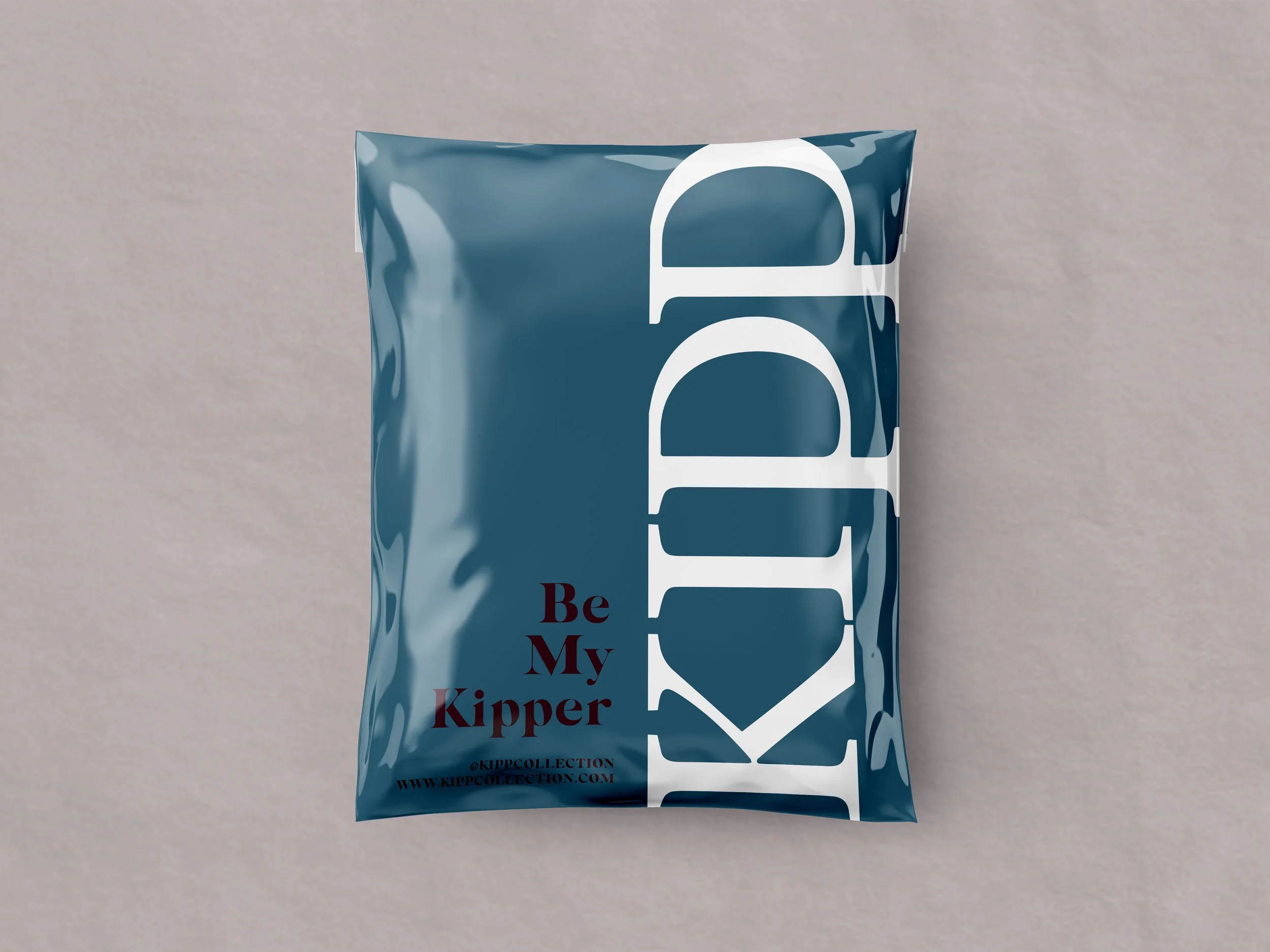
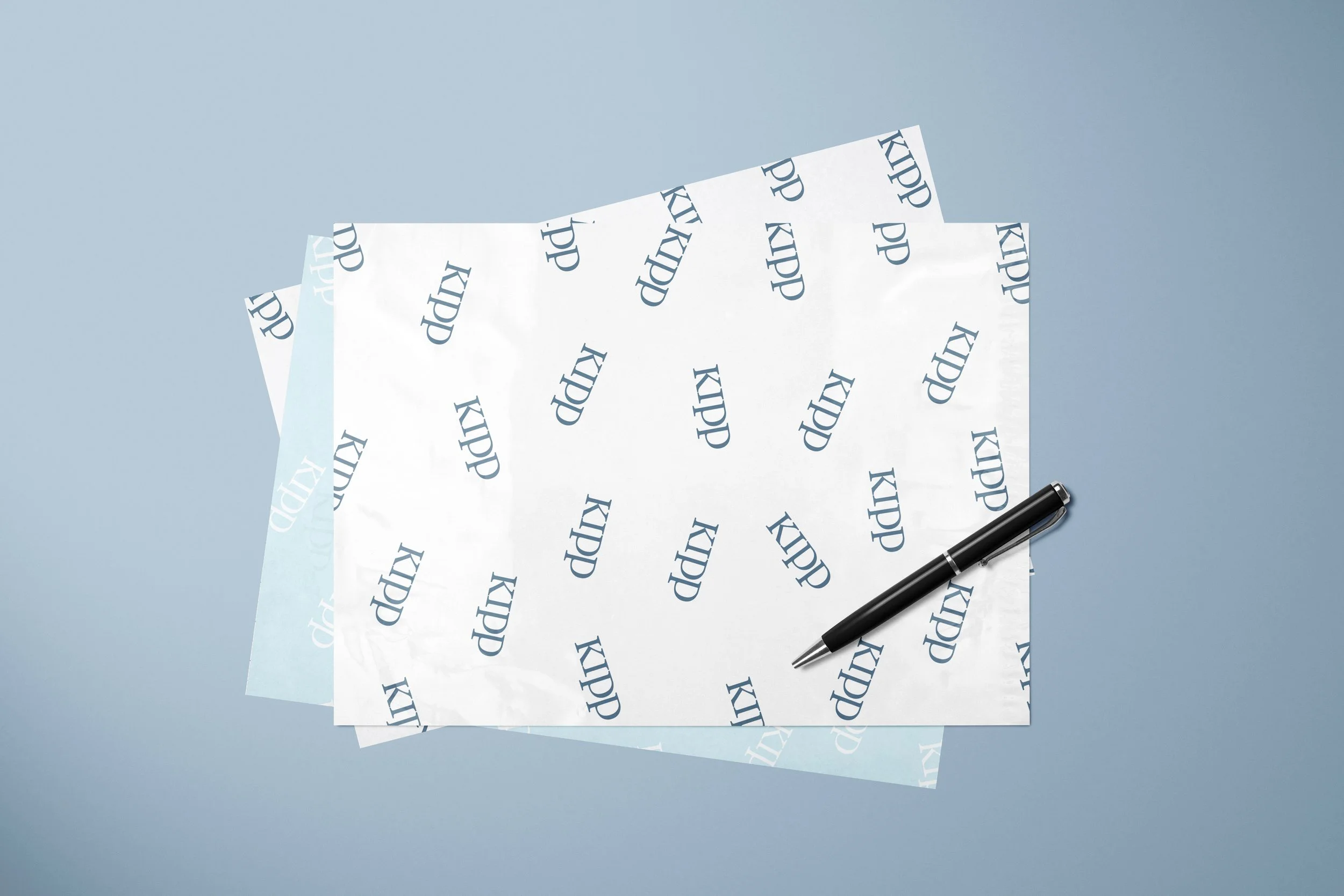
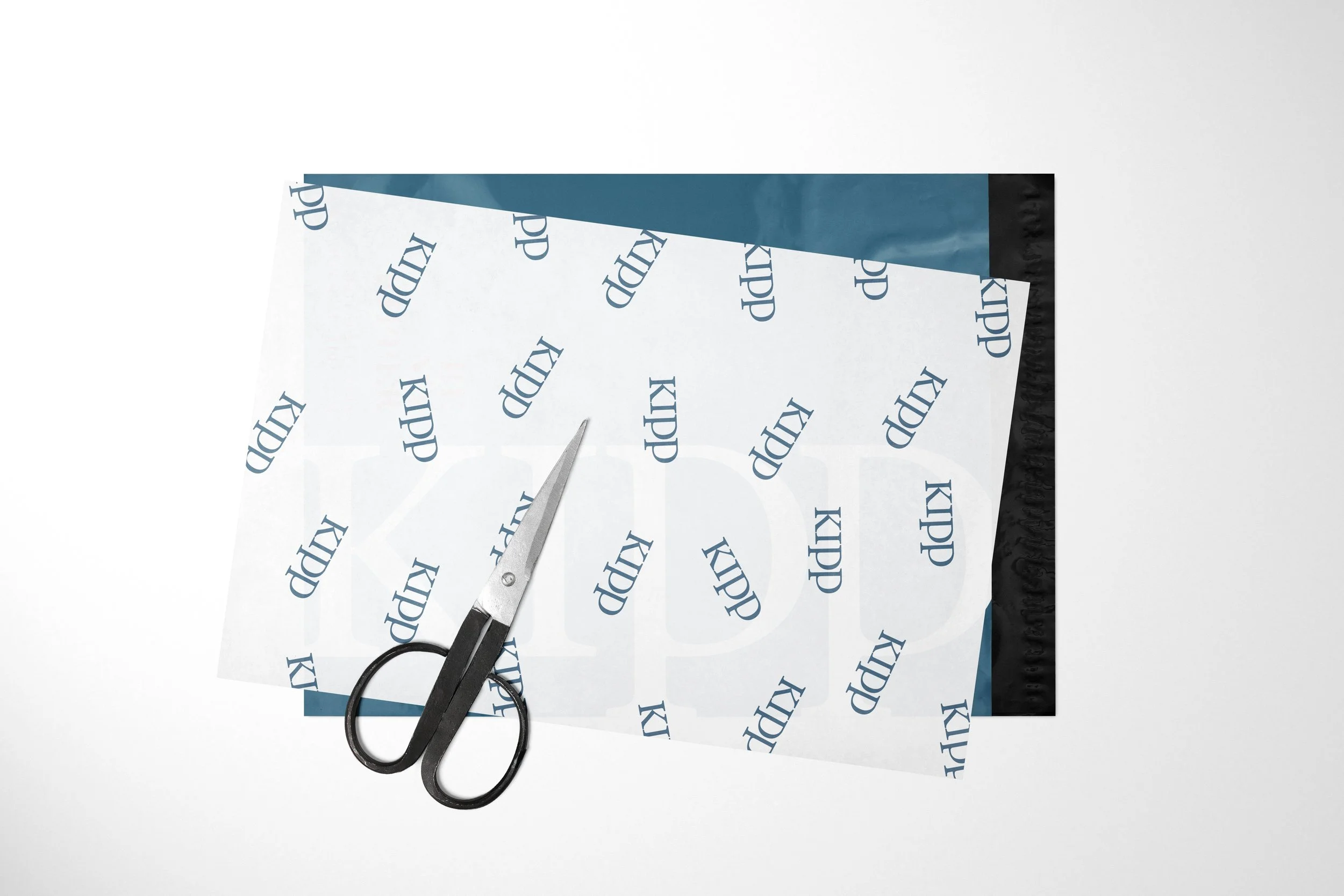
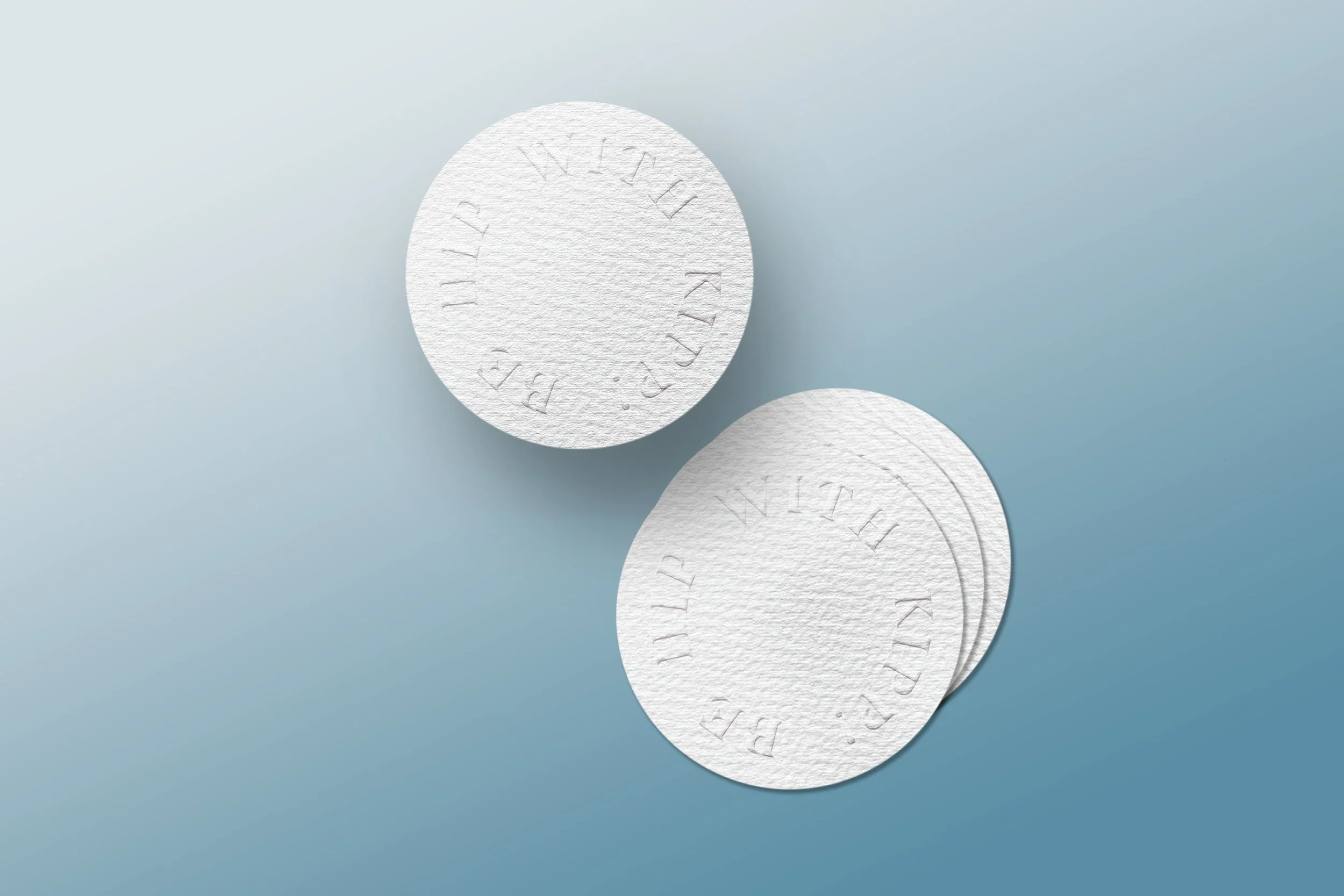
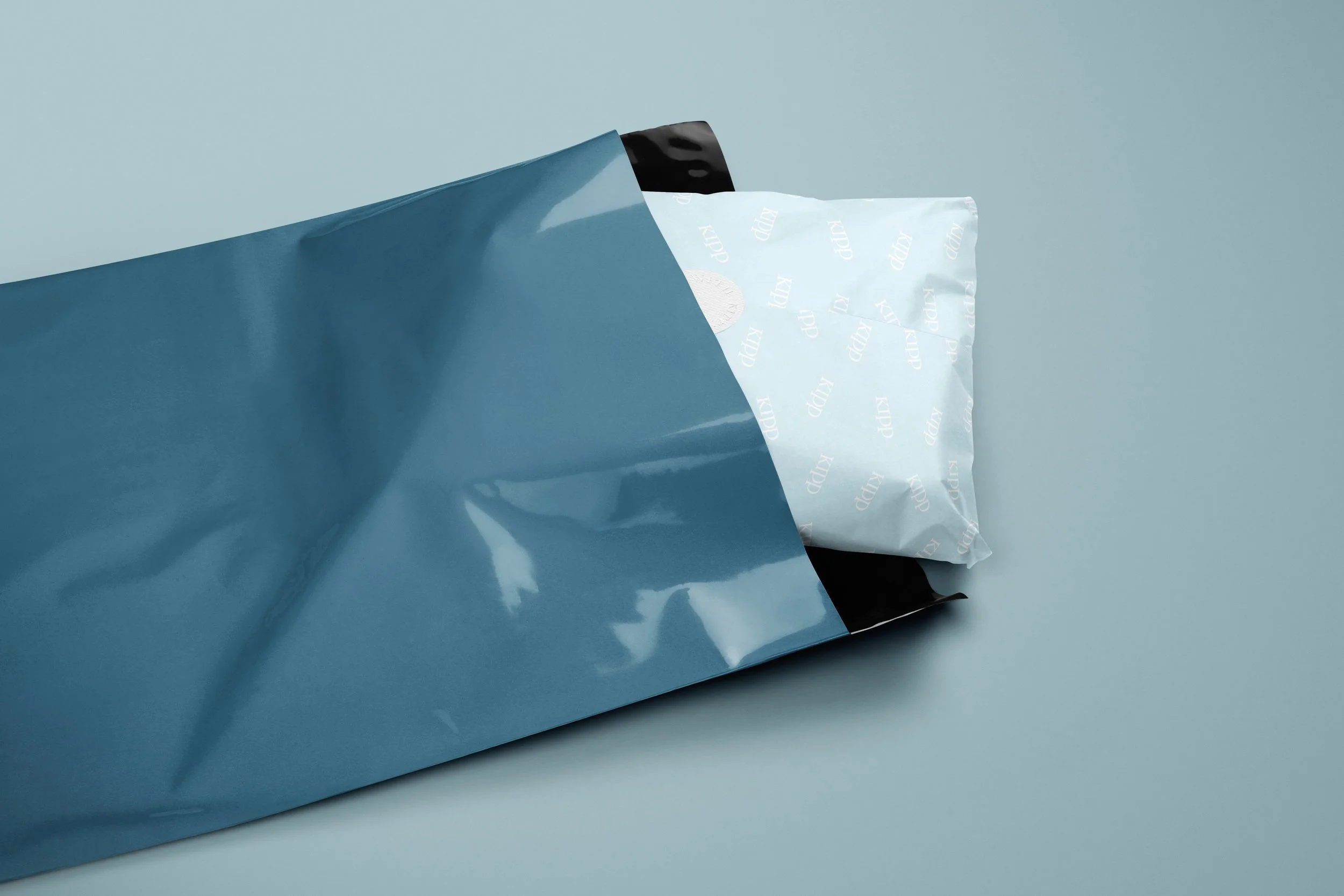
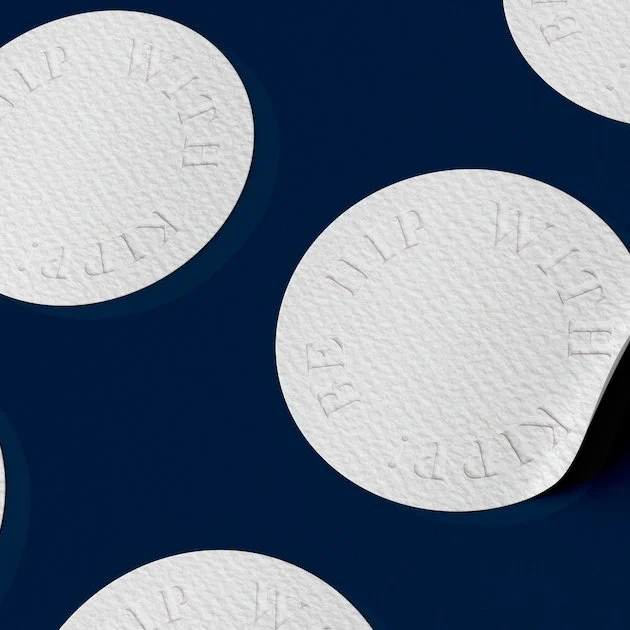
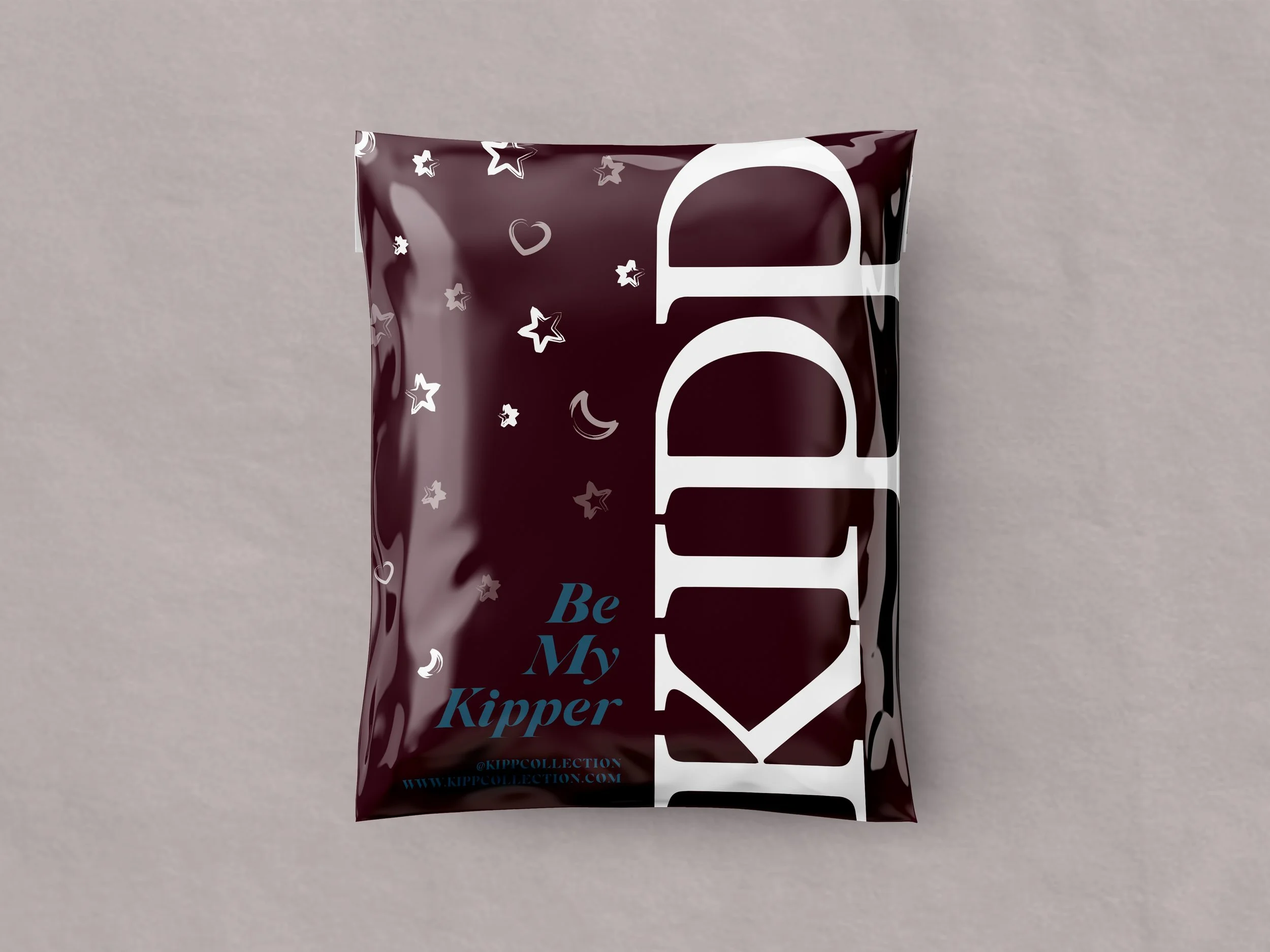
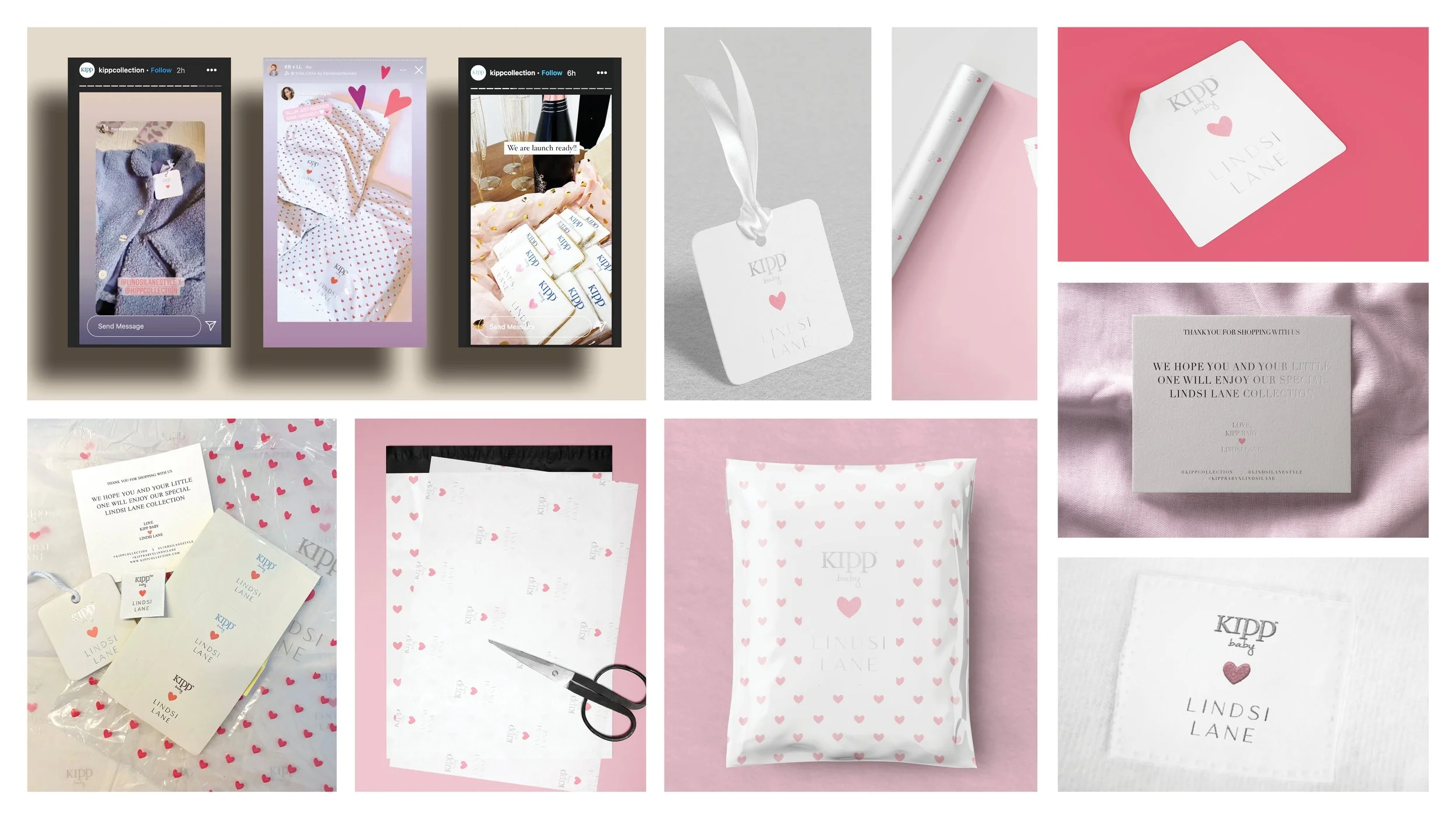
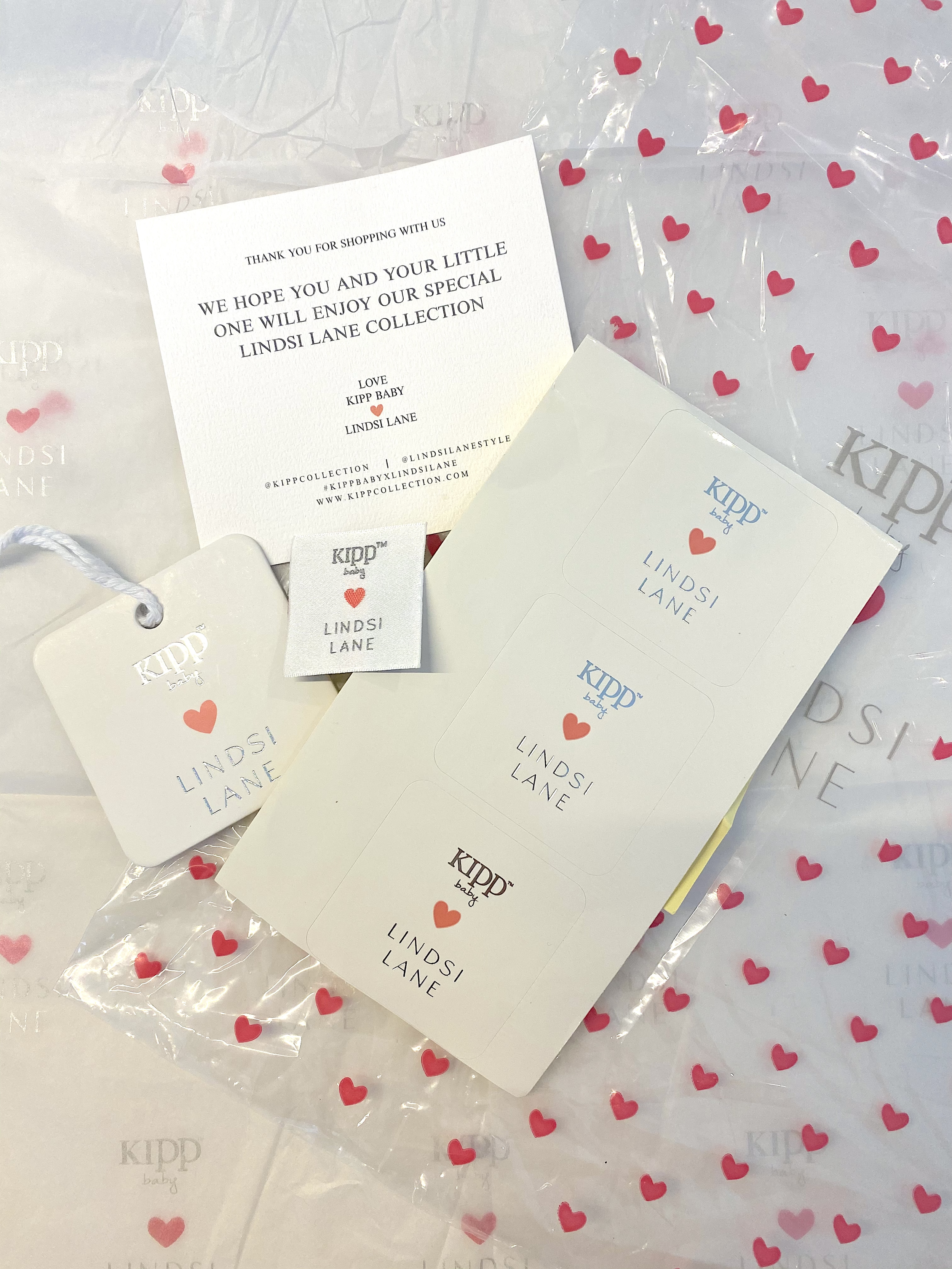
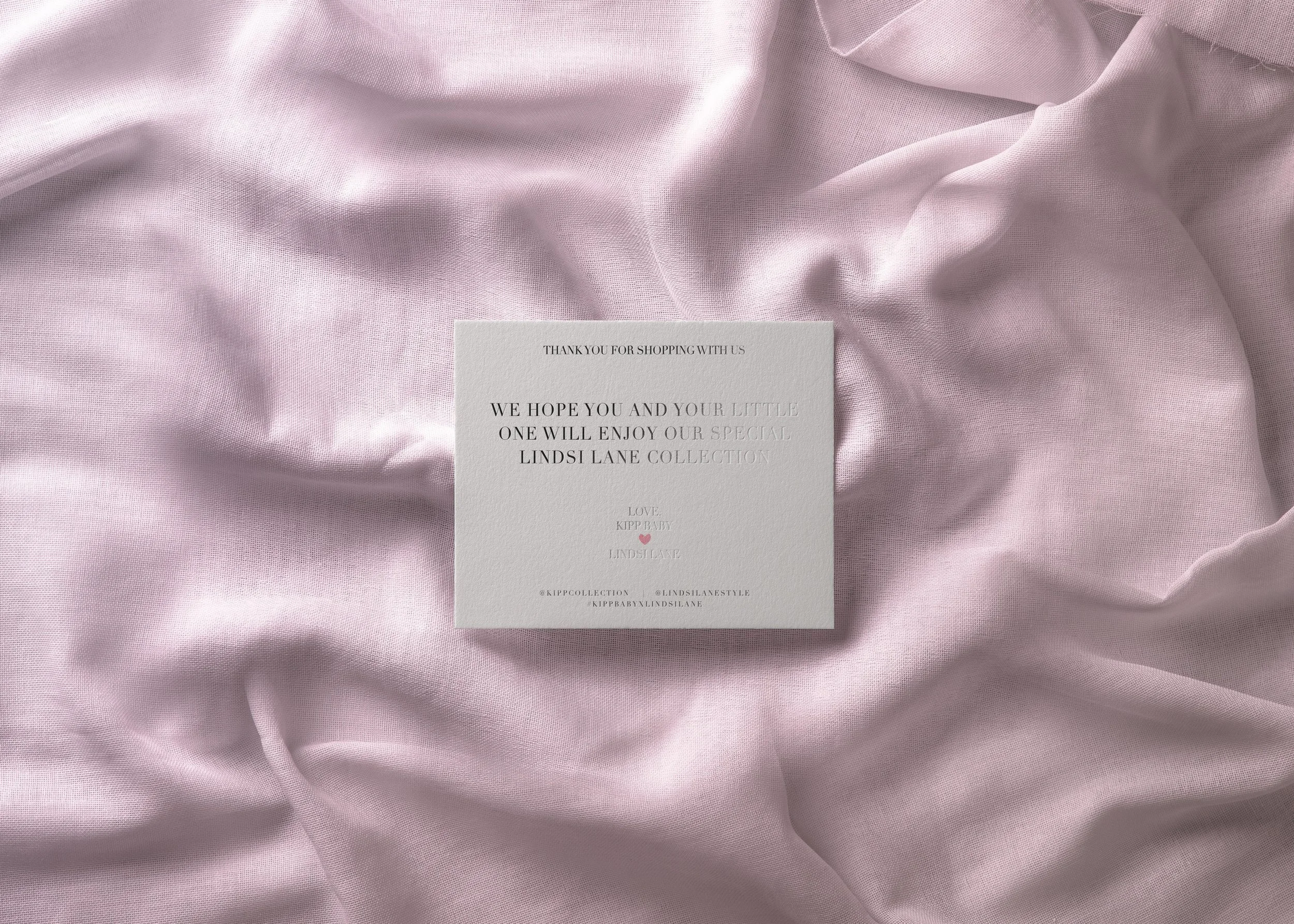
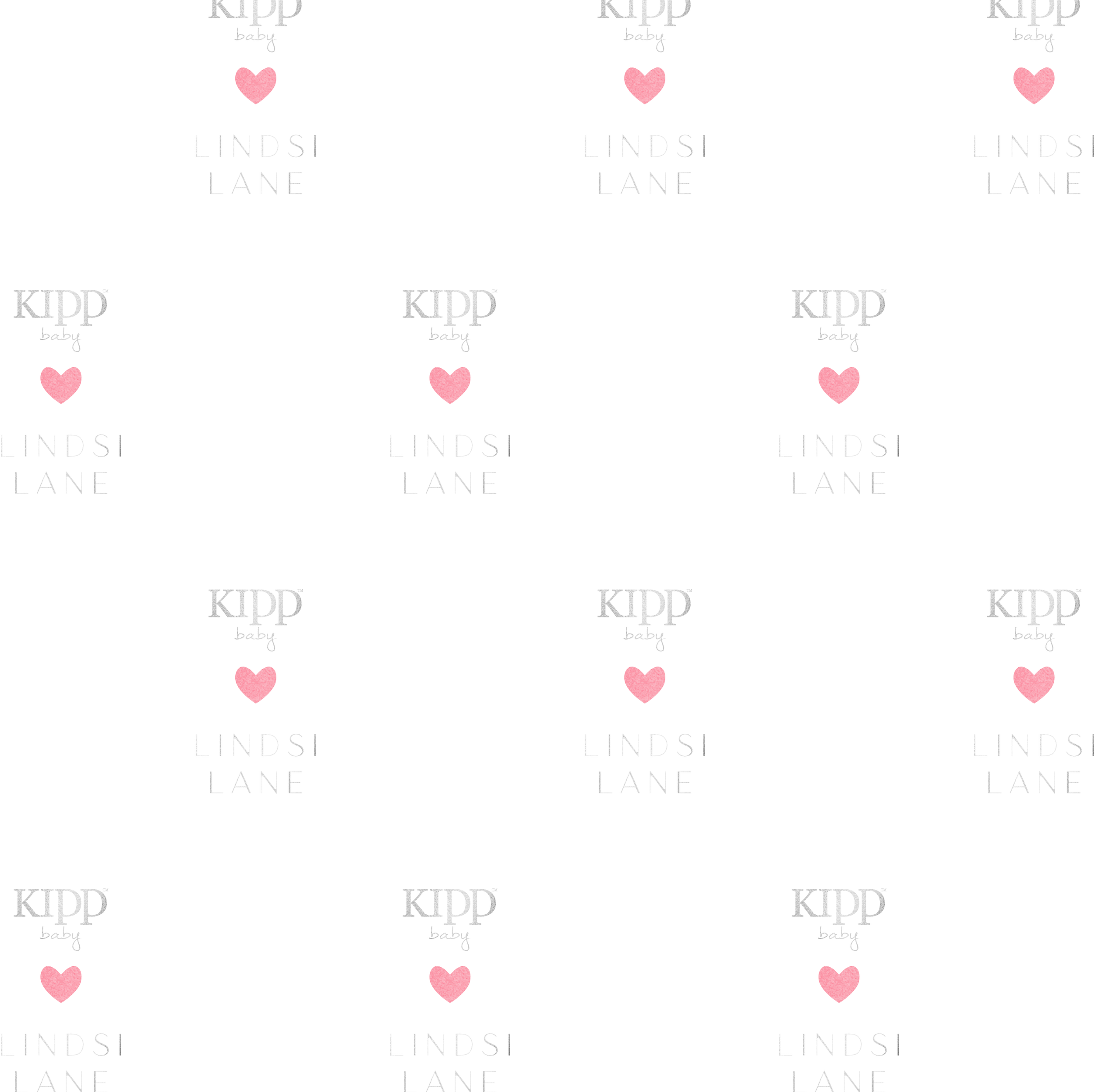
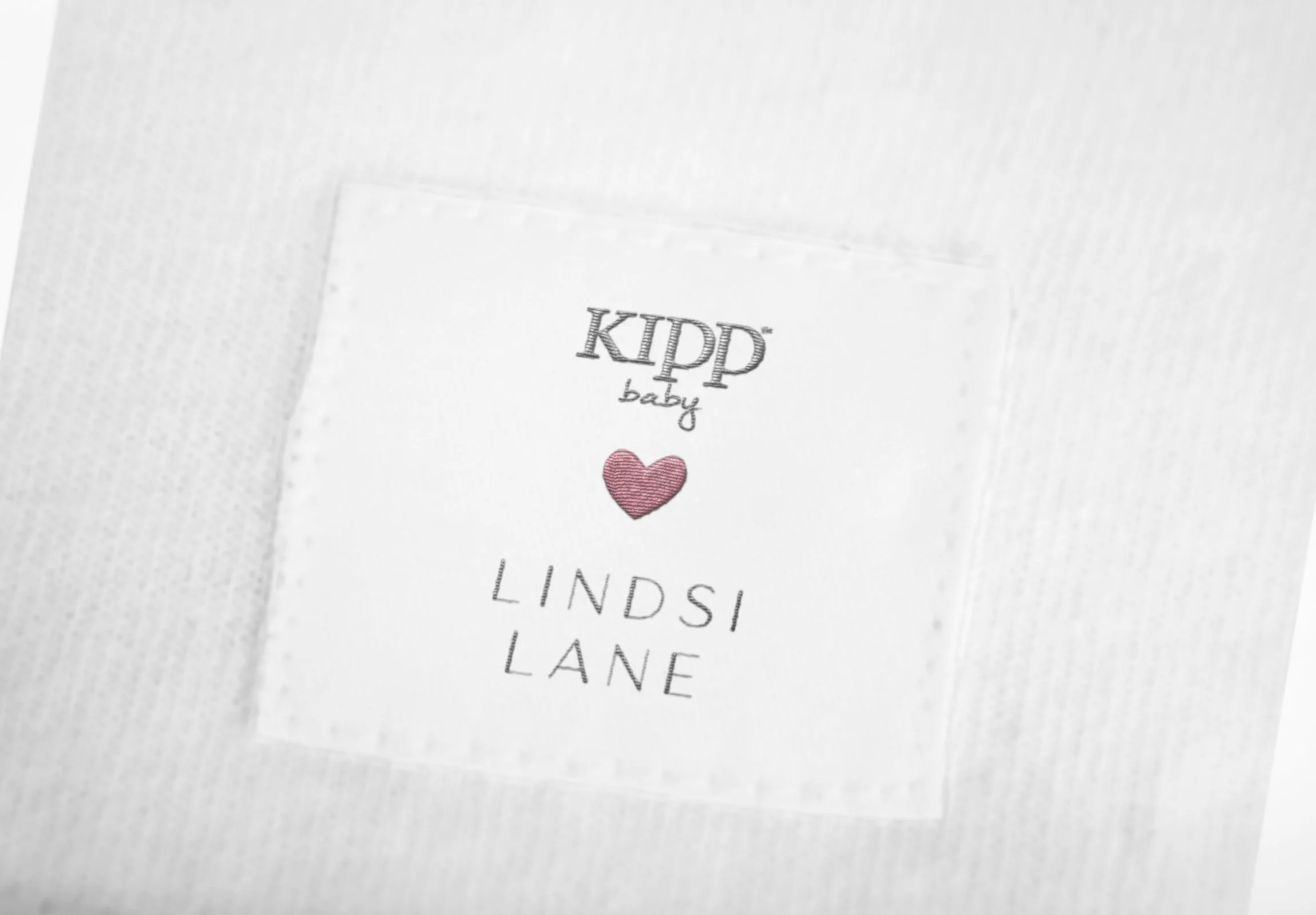
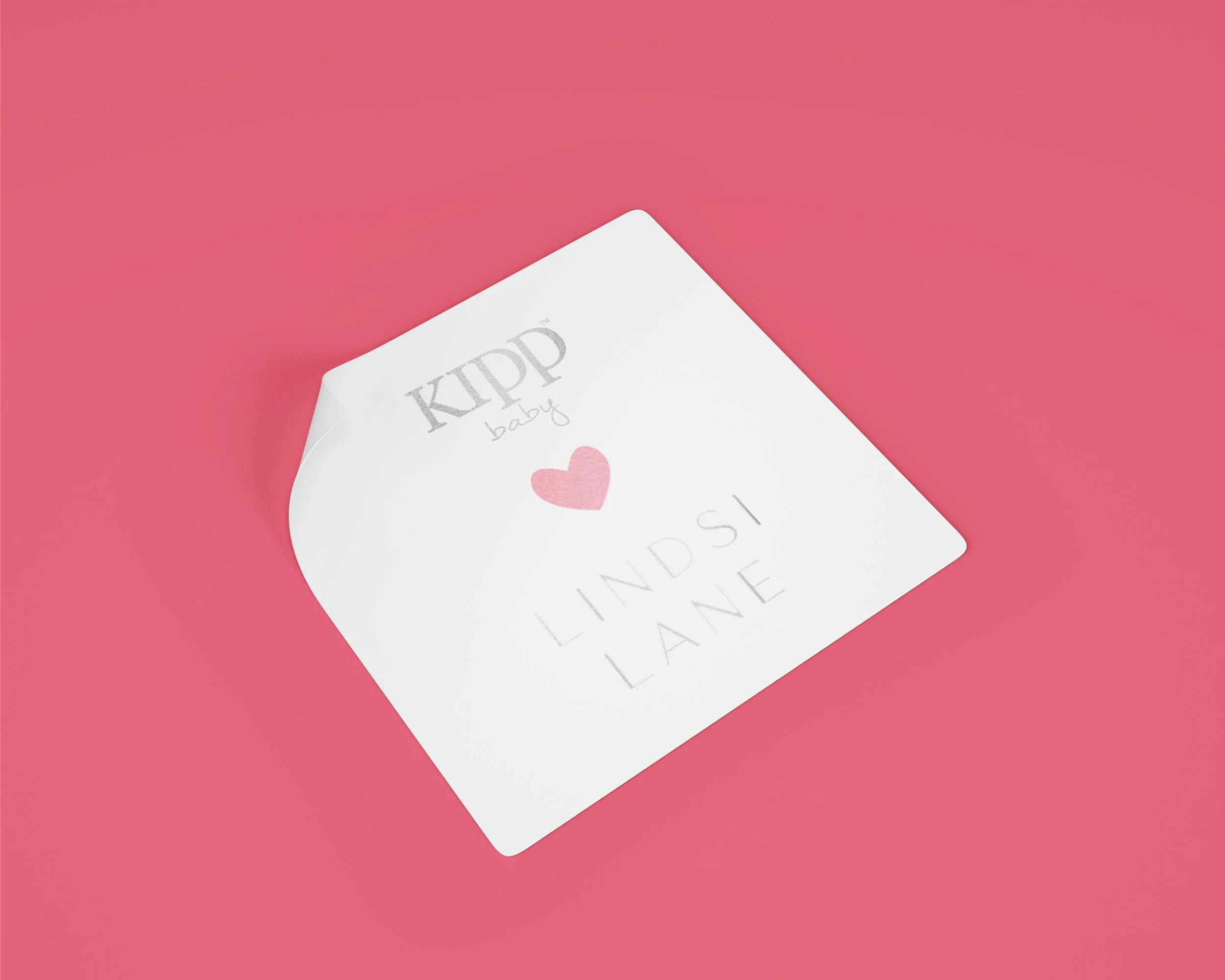
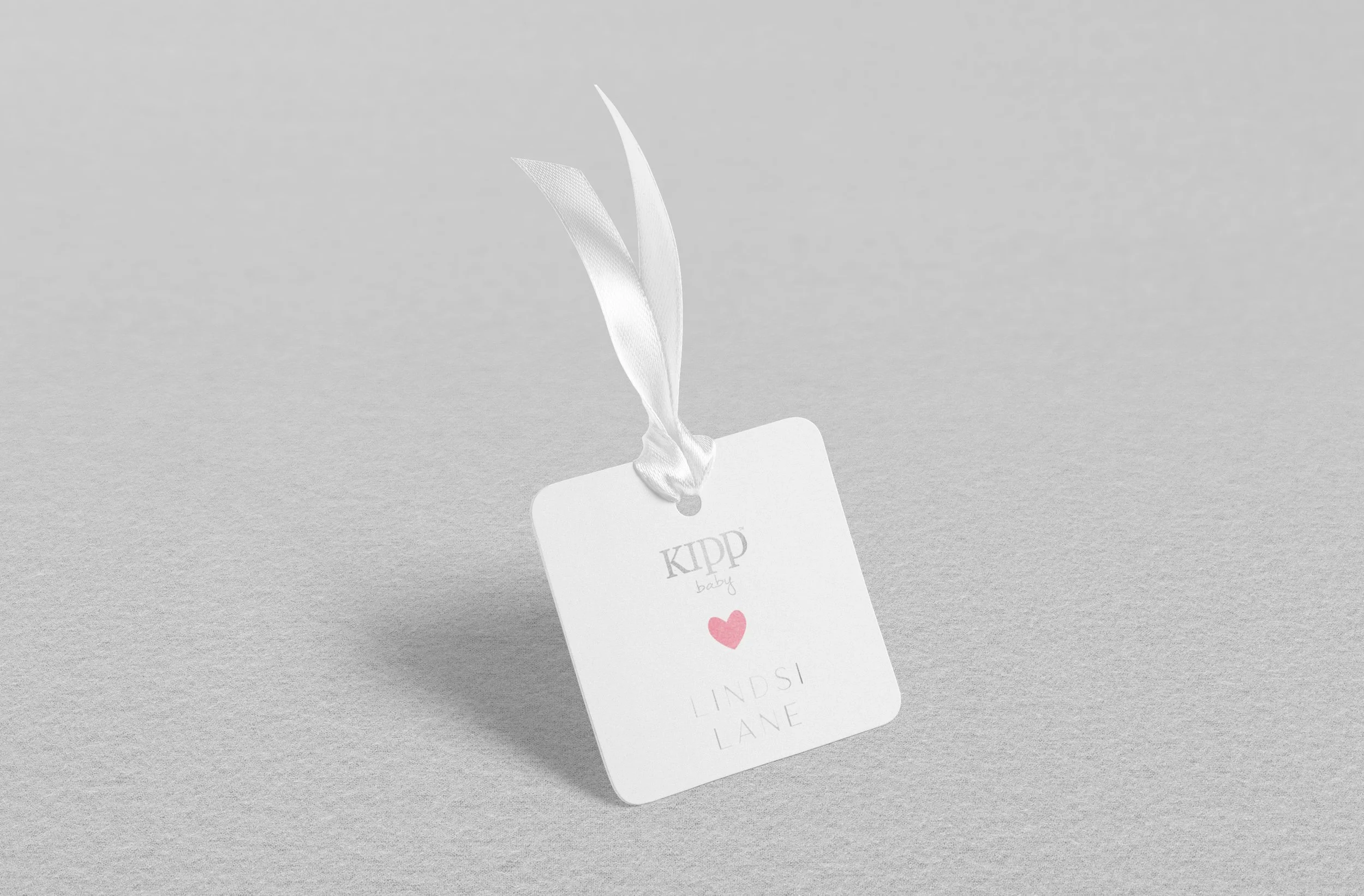
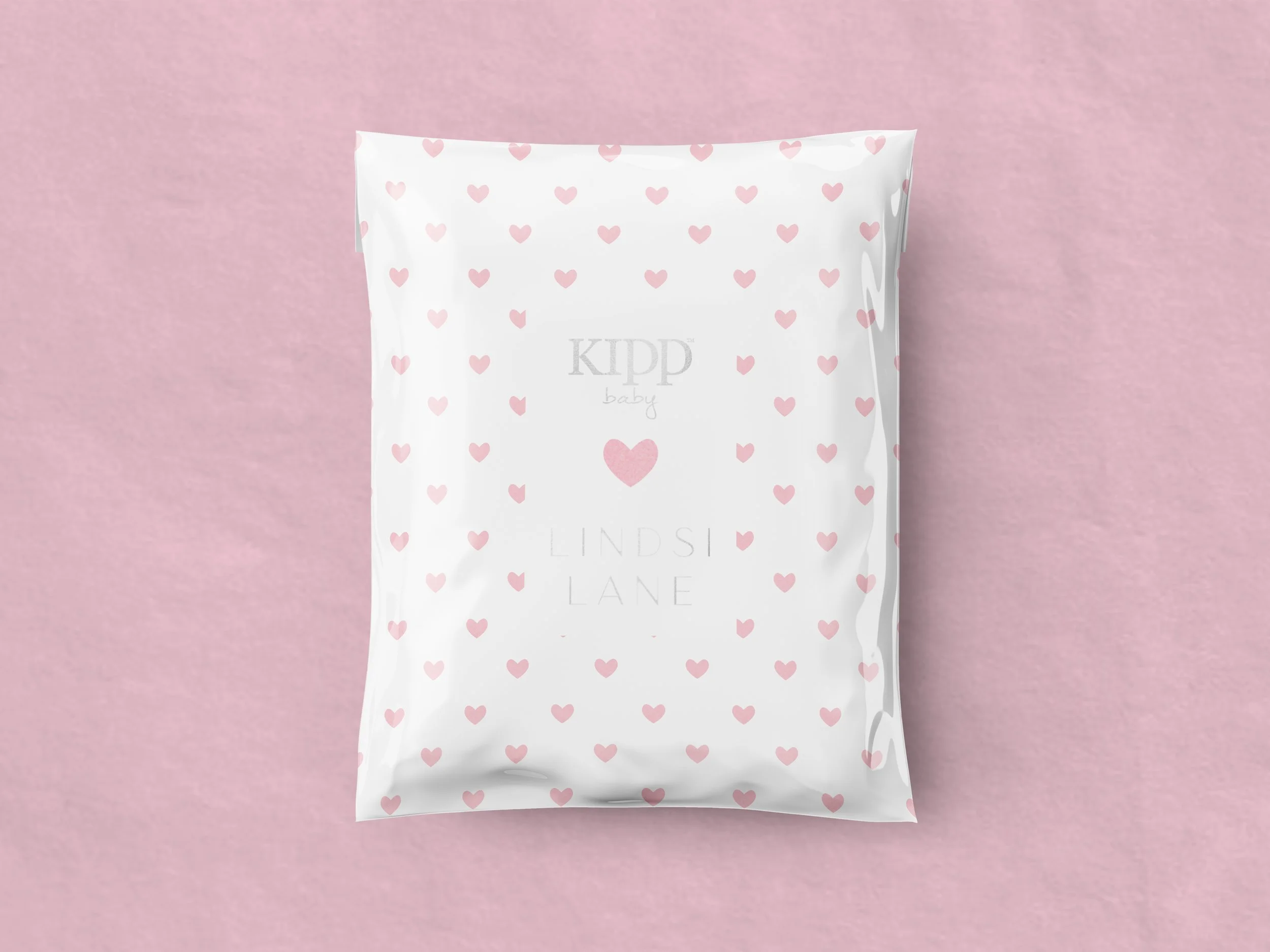
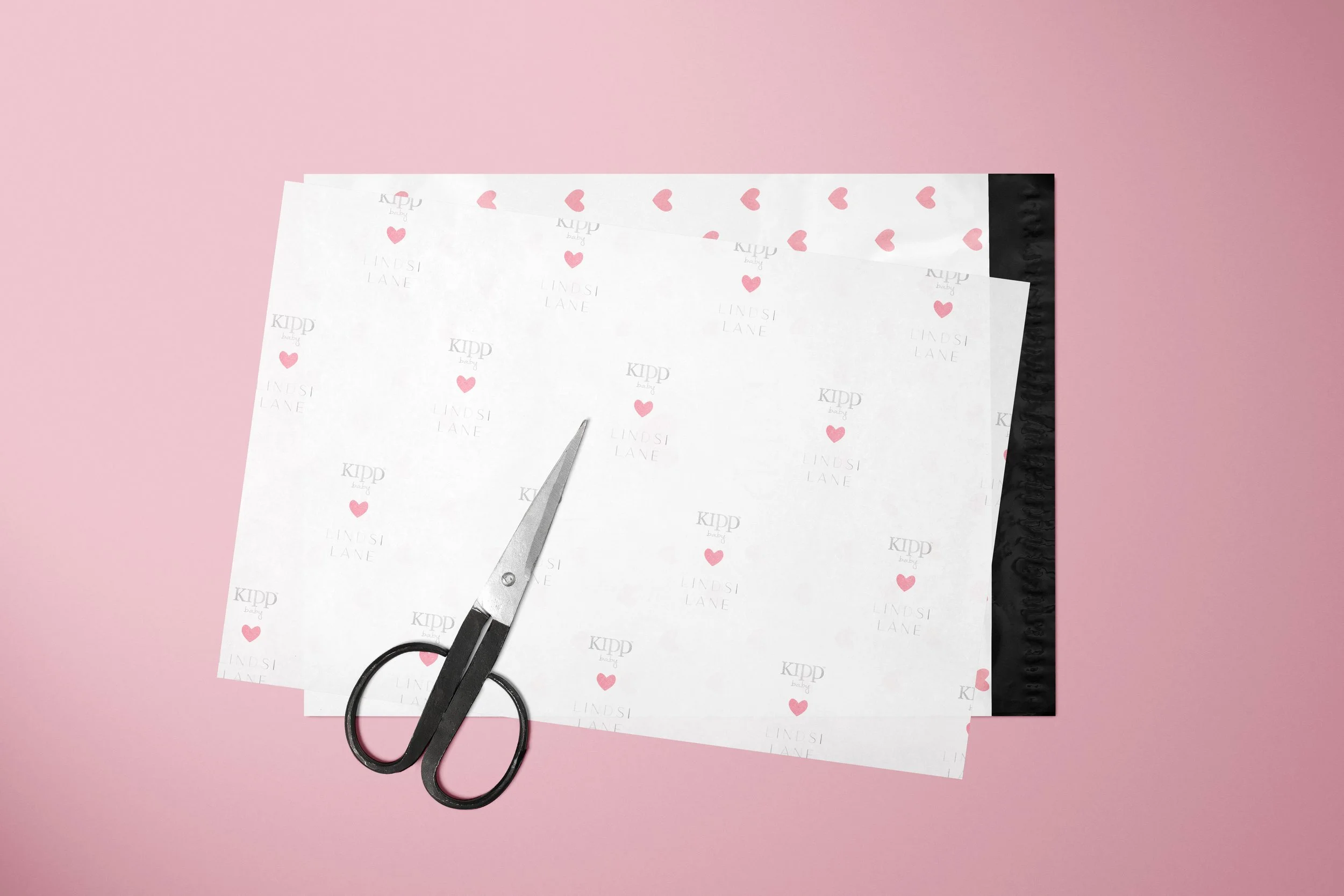
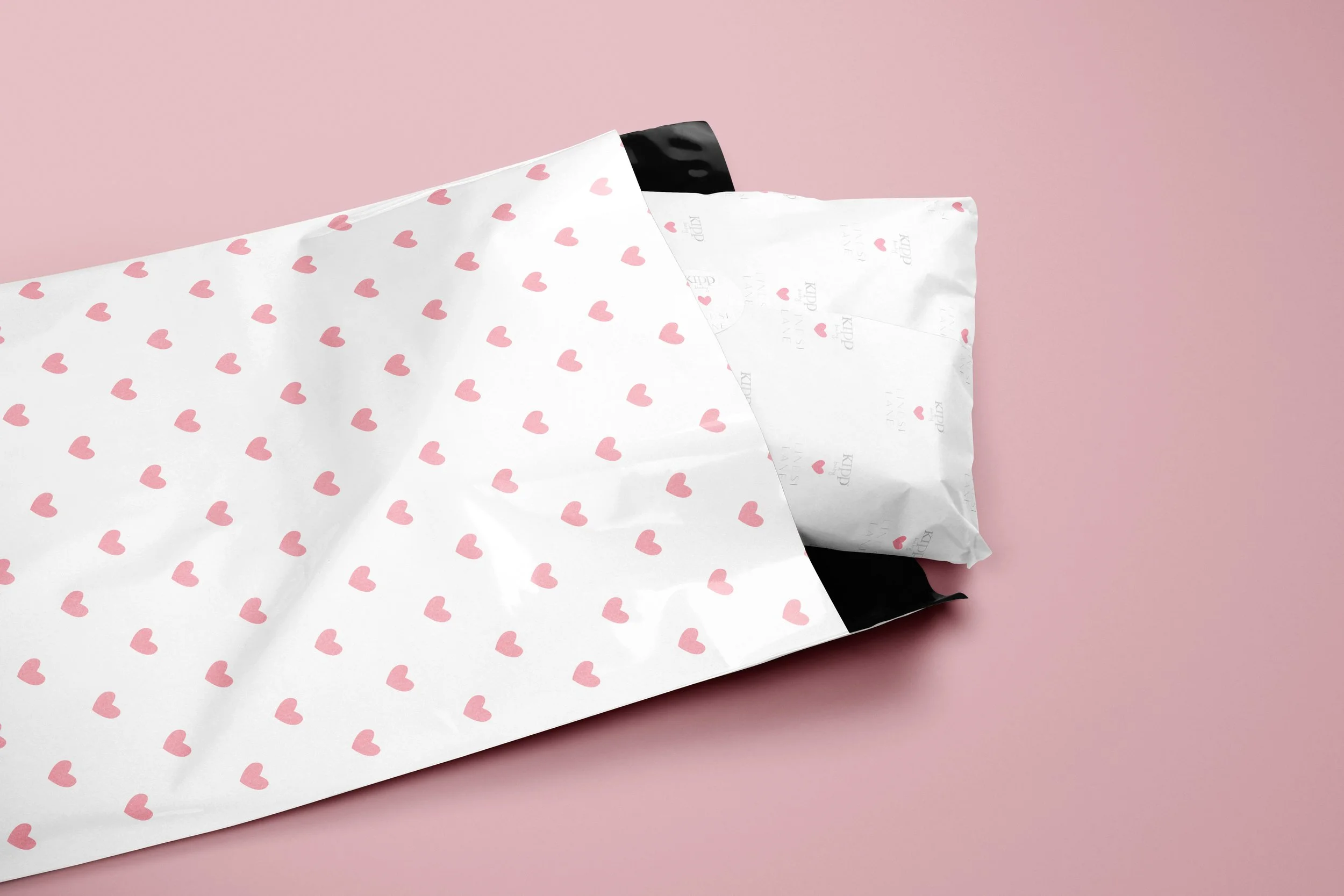
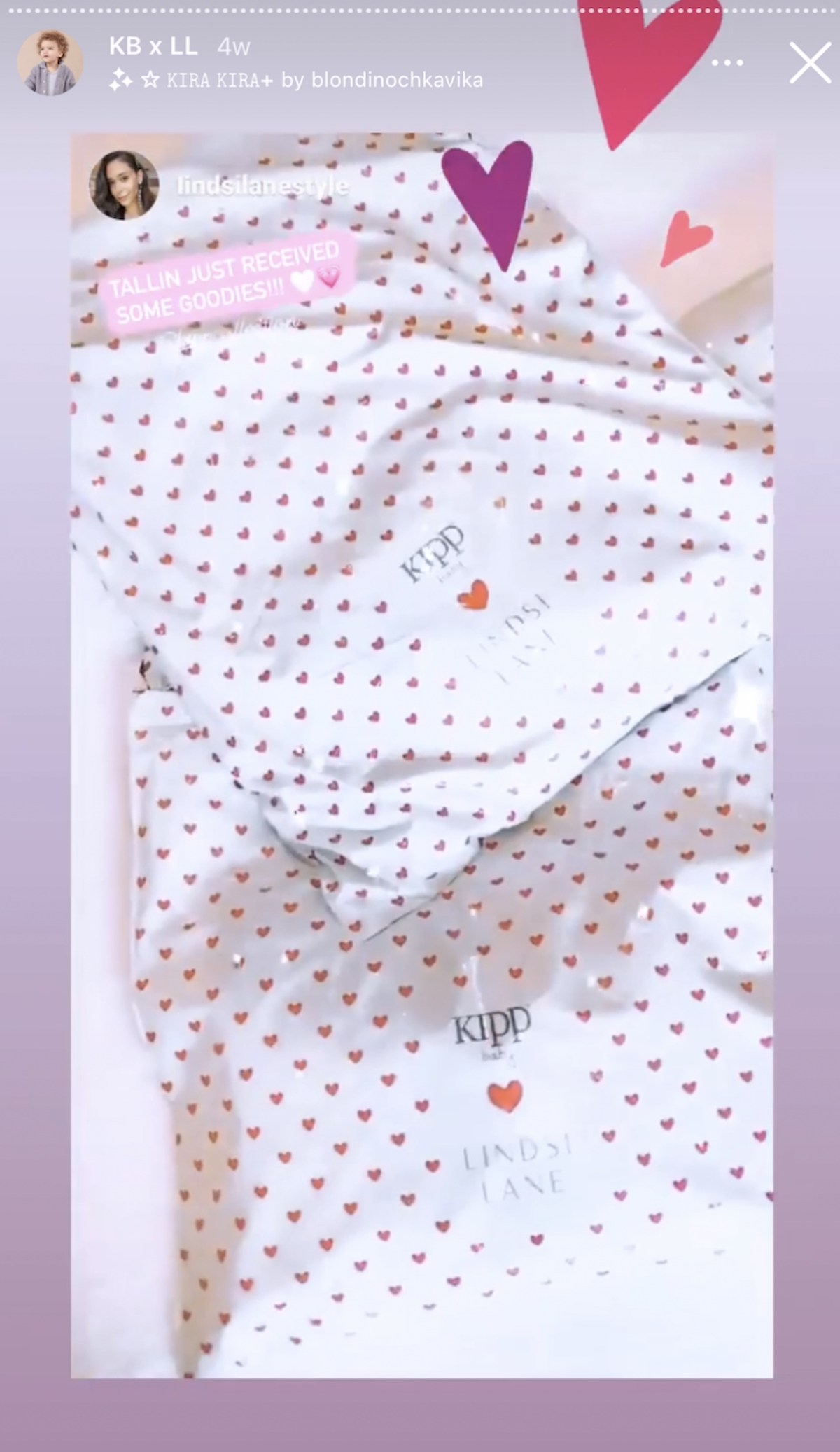
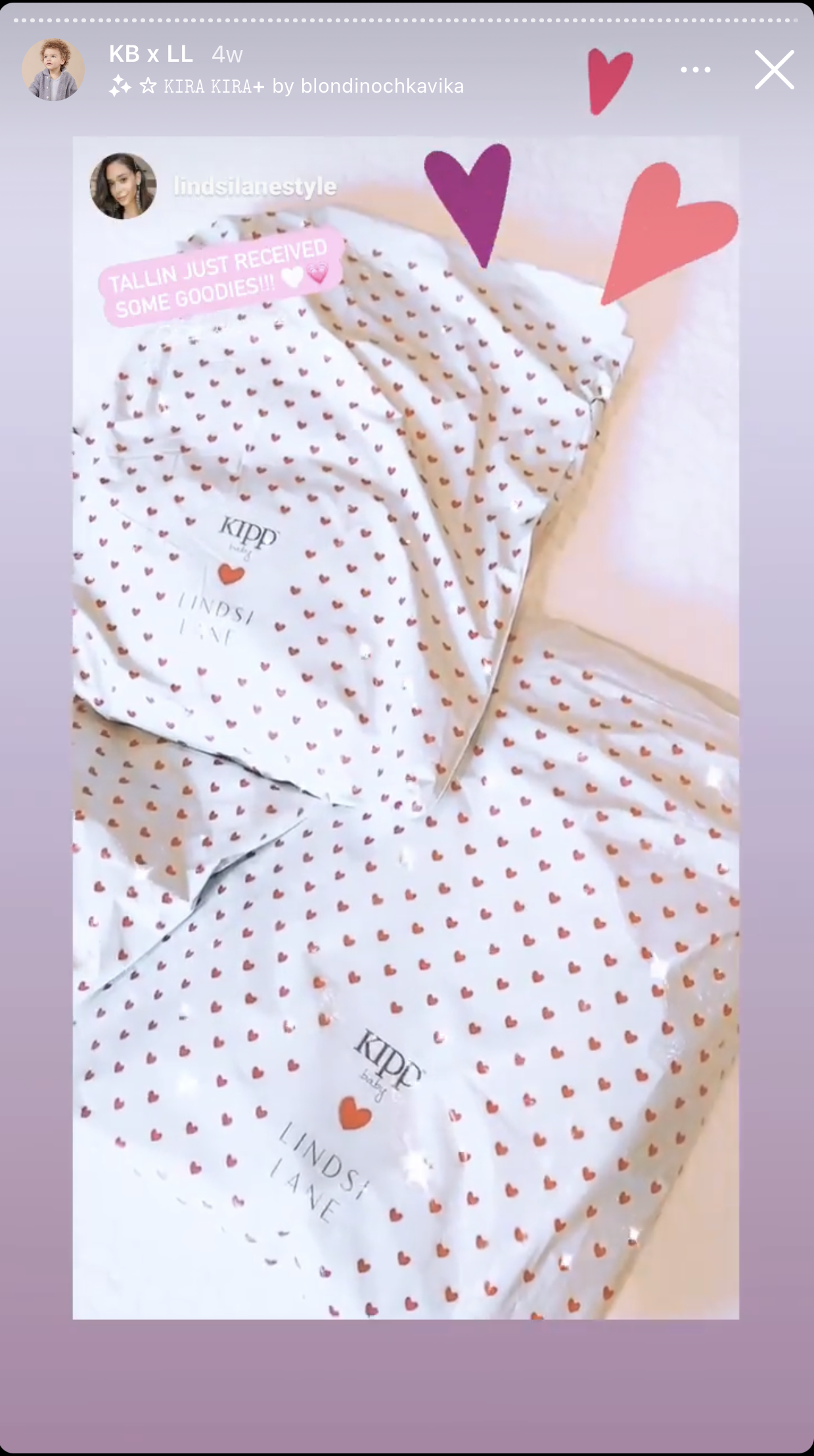
Developed a cohesive D2C packaging system aligned with the brand’s visual identity and positioning.
Enhanced the unboxing experience through thoughtful material selection, print finishes, and branded inserts to increase perceived value and customer retention.
Maintained consistency across digital and physical touchpoints, ensuring a seamless brand journey from website to delivery.
The result was a unified end-to-end experience that strengthened brand recognition and reinforced alignment between the physical product and digital presence.




Social Media Campaigns
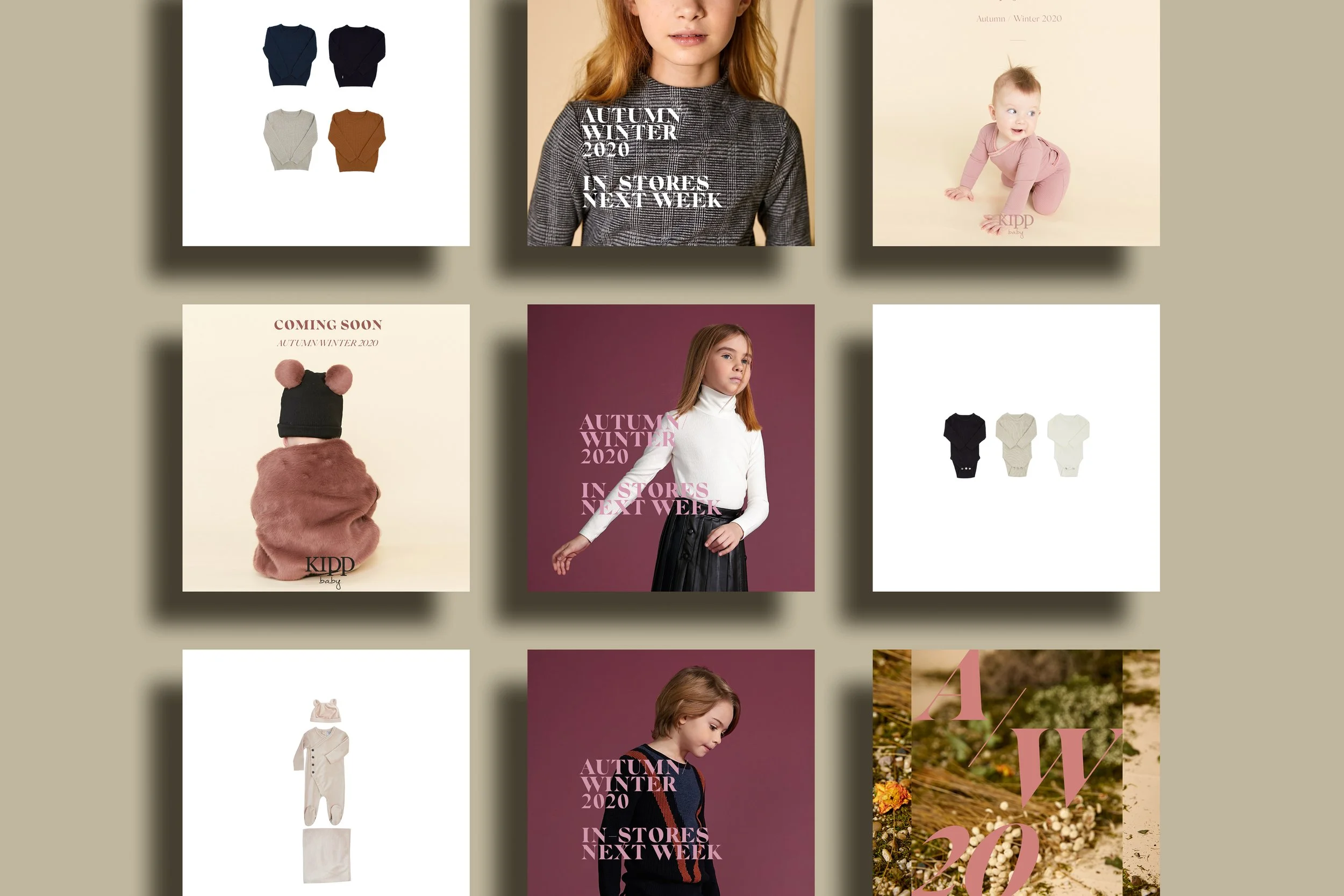
Developed platform-specific visual and written content for Instagram and Facebook ads, stories, posts, and video formats. Managed content planning and publishing cadence through Later.com to ensure consistent, performance-driven distribution.
End-to-End Execution
In addition to UX research and system design, I directed seasonal photoshoots, edited product and lifestyle imagery, structured product merchandising, designed D2C packaging, developed Instagram and Facebook content, managed campaign scheduling, and coordinated launch execution.
This initiative represented complete product ownership across research, design, branding, growth, and delivery.
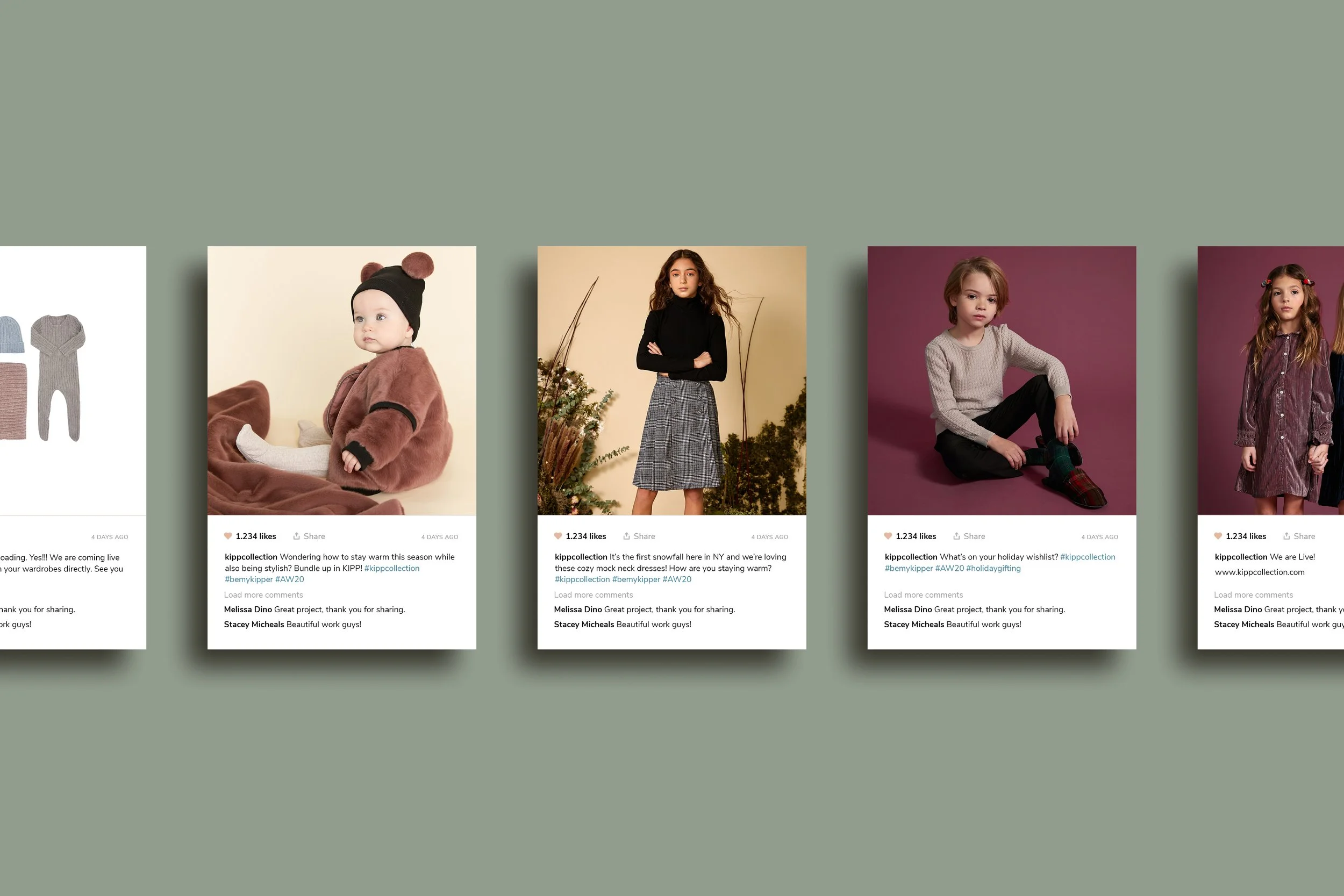
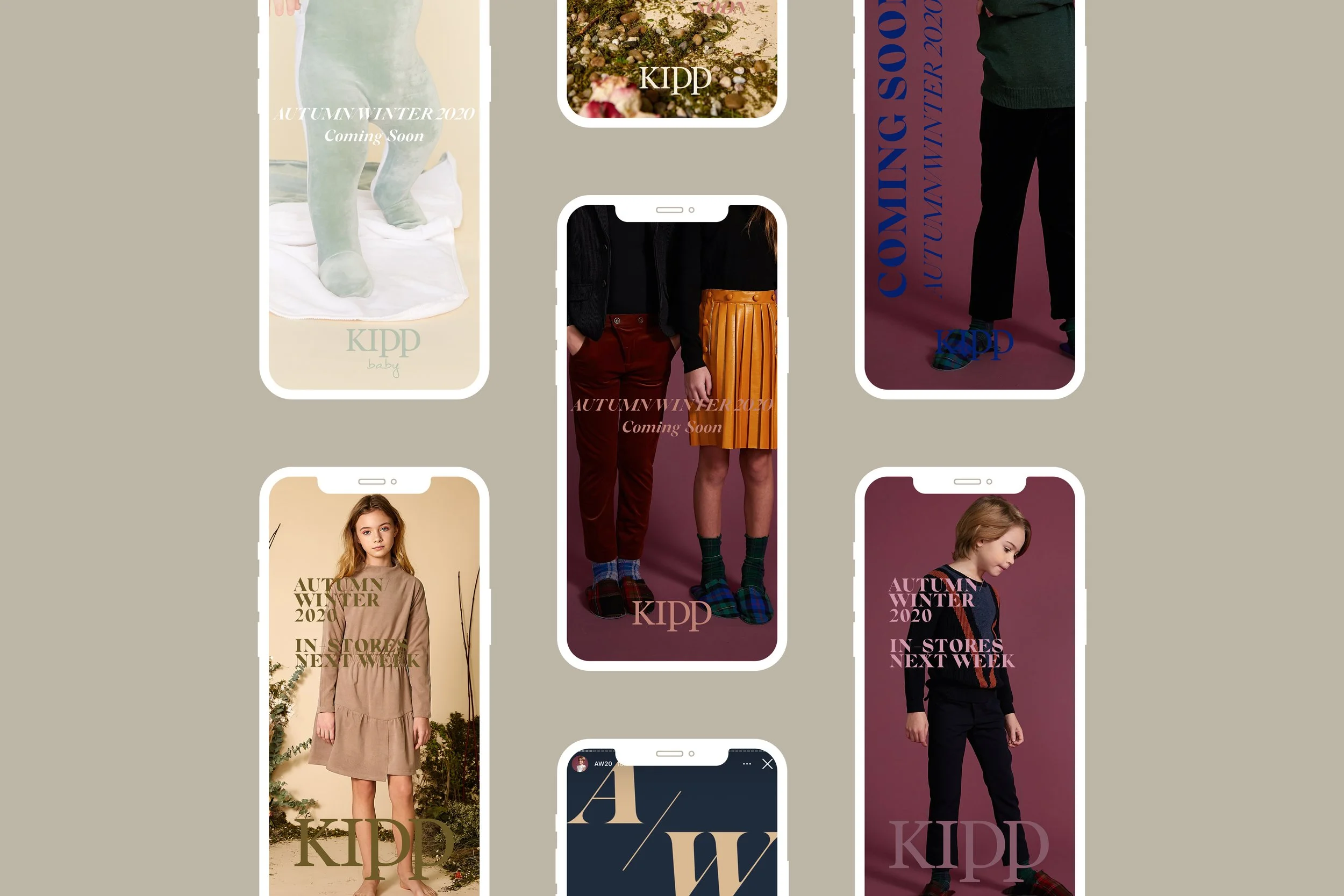
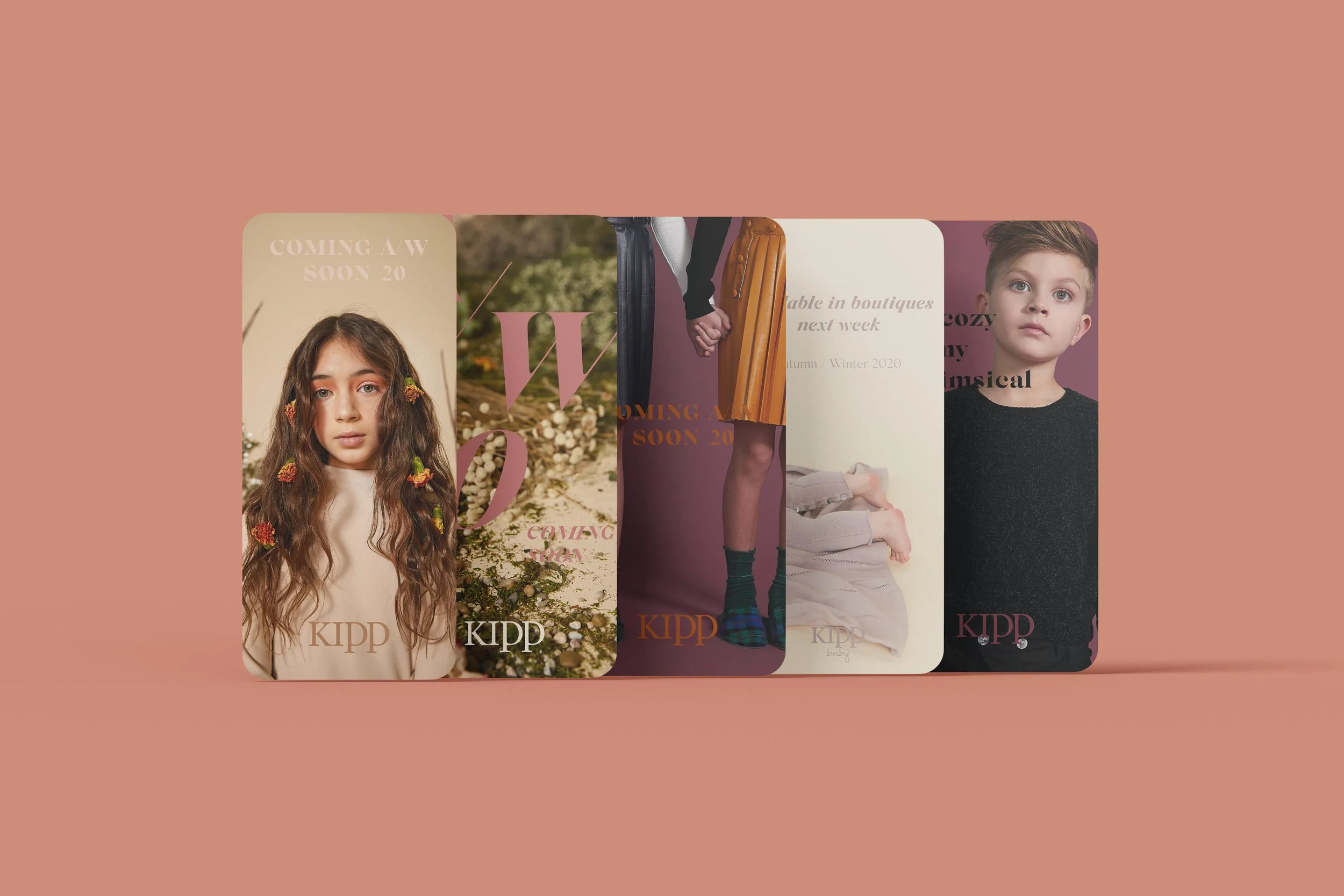
Social Commerce and Influencer Launch Strategy
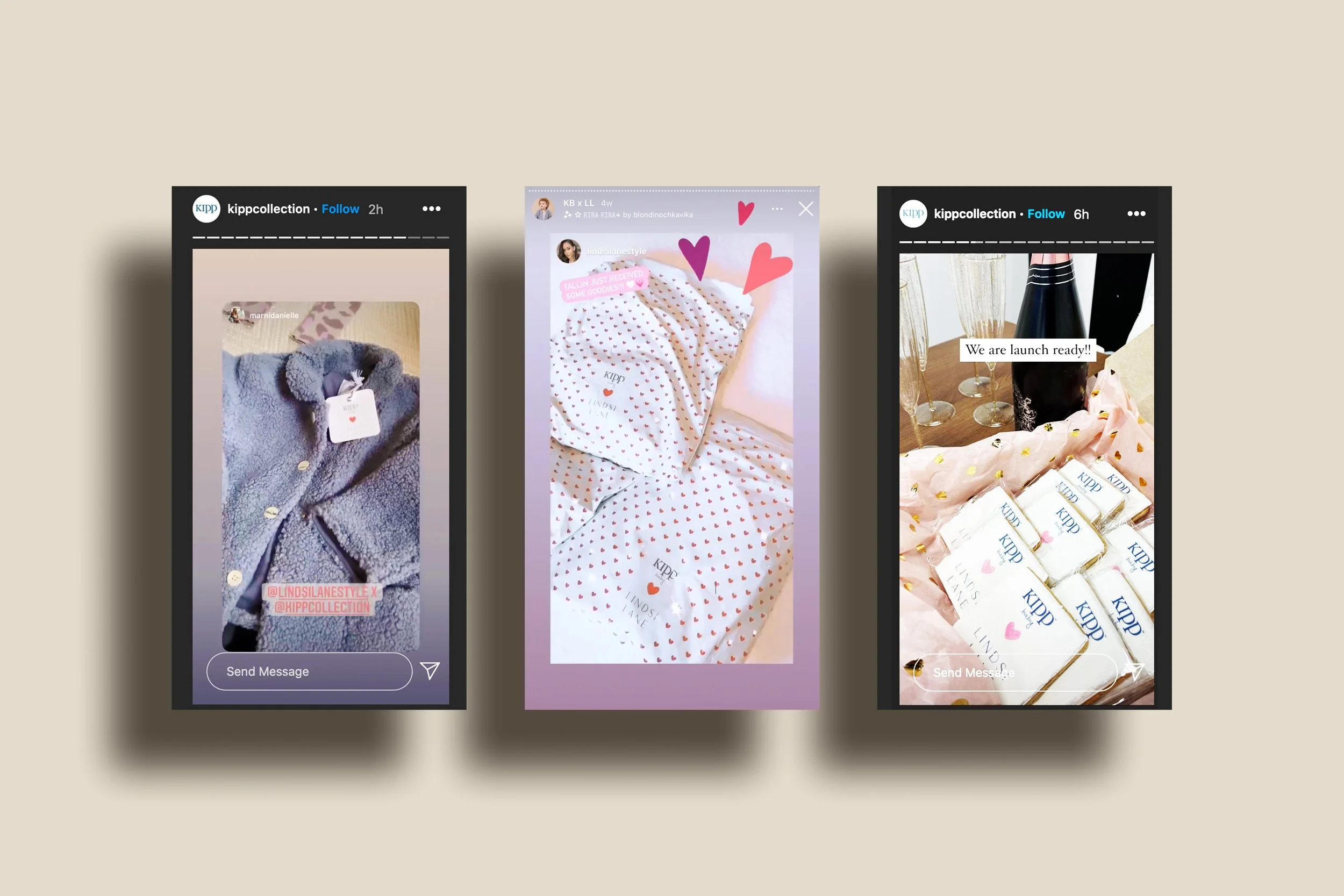
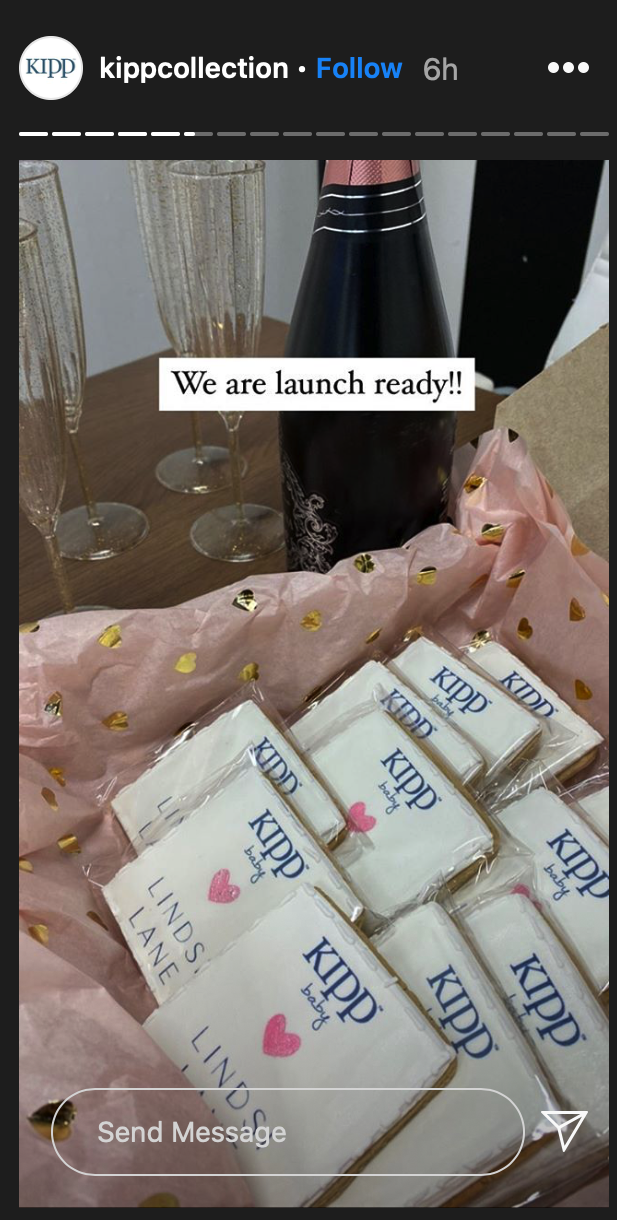
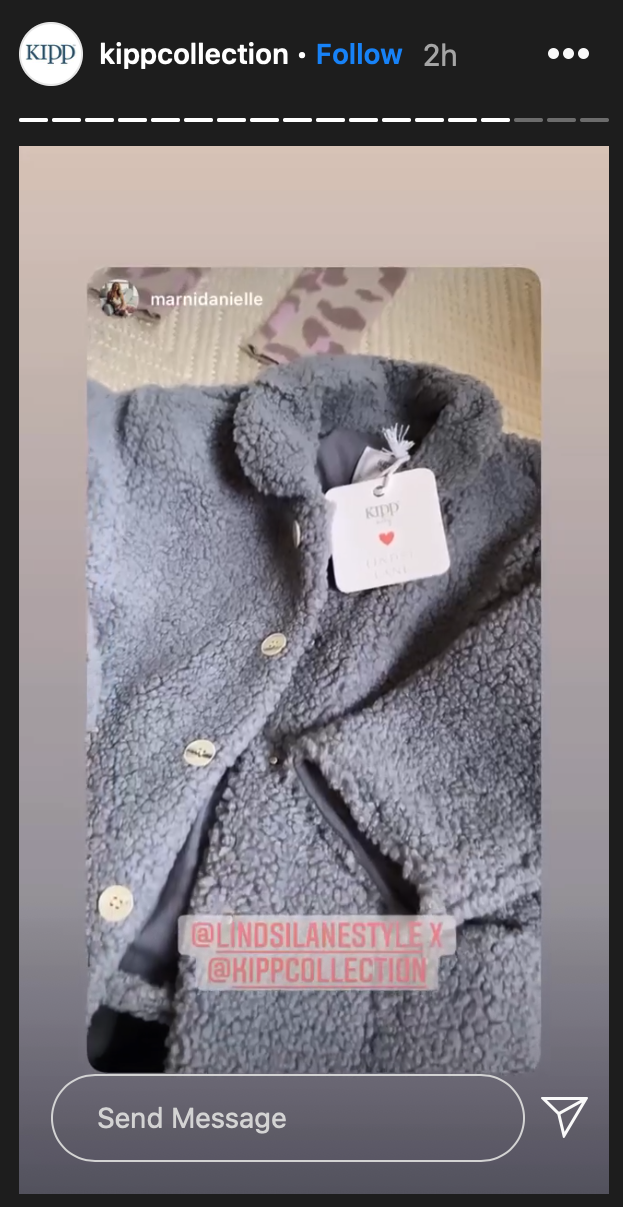
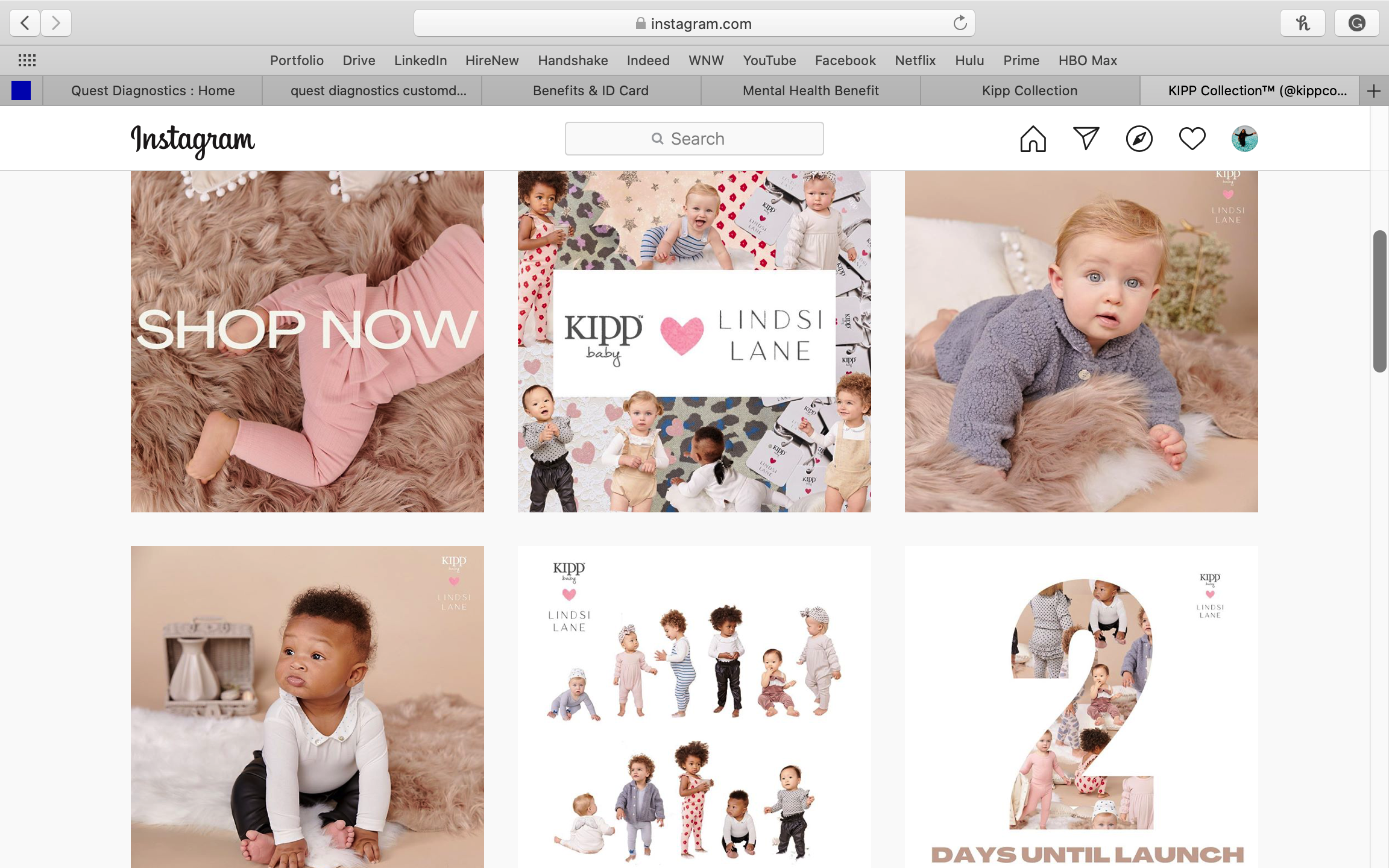
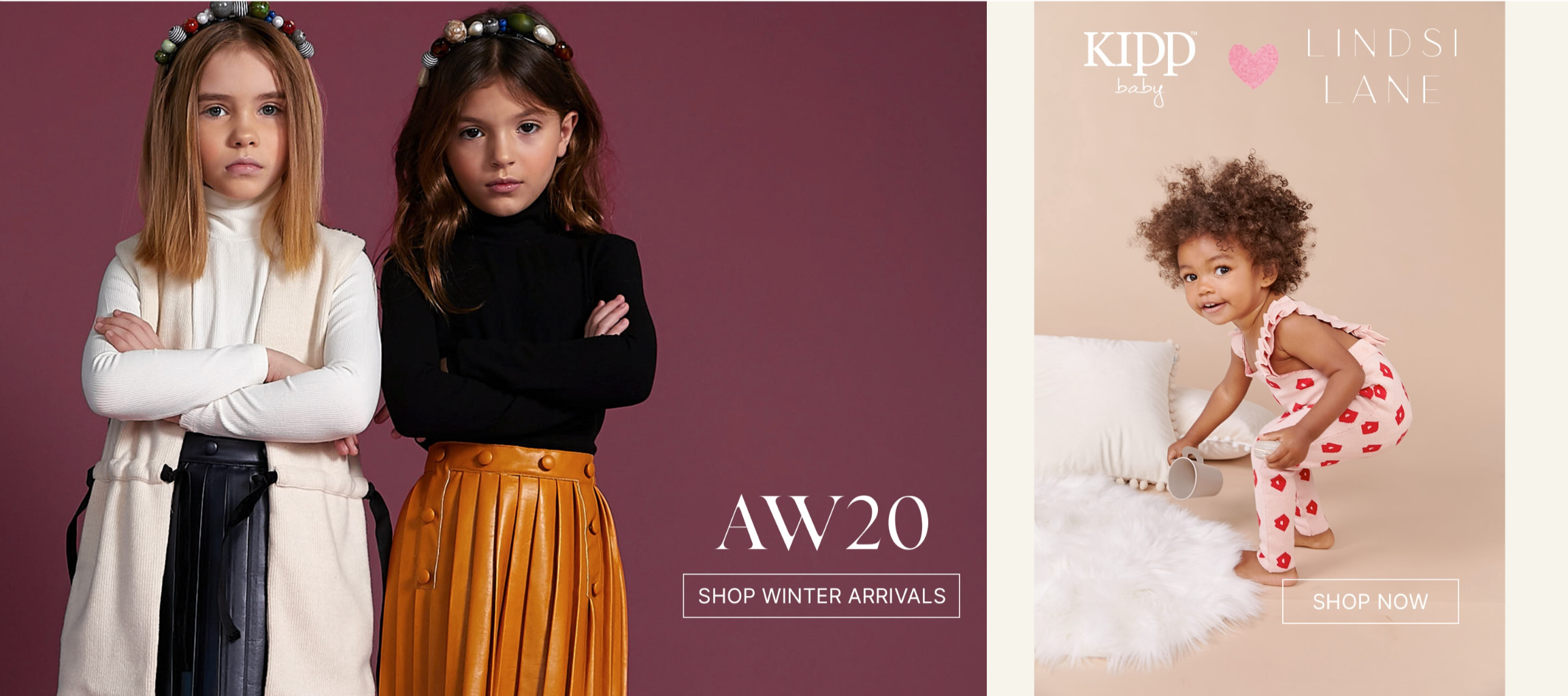
The go-to-market approach extended beyond traditional influencer marketing. I partnered with a fashion-focused mother influencer to co-create and launch an exclusive capsule collection. This collaboration functioned as a strategic launch vehicle rather than a promotional add-on.
Instagram Shopping Tags were activated across posts, enabling direct product linking. The launch campaign positioned the capsule collection as the public debut of the new D2C platform, accelerating trust transfer and driving immediate traffic to optimized landing pages.
This integrated system connected wholesale trust, influencer credibility, and social discovery into a unified acquisition pipeline.


Business Impact
The integrated D2C and social-commerce strategy delivered a 45% increase in website traffic.
67% increase in sales.
3× growth in Instagram following within six months
Social commerce became primary acquisition channel. Wholesale brand affinity was successfully converted into sustainable direct online revenue.
The brand expanded beyond its core religious demographic and achieved operational stability during pandemic disruption.
Reflections & Learnings
This project reinforced my skills to navigate ambiguity, take charge and self-motivated initiative.
D2C is a trust architecture challenge.
Replacing wholesale required reconstructing retail trust through transparency, strong PDPs, and frictionless checkout — not just visual redesign.
Social commerce must be designed as a system.
Instagram was the entry point; seamless flow from shoppable posts to mobile checkout was essential for revenue conversion.
Platform decisions impact business outcomes.
Migrating to Shopify prioritized speed, stability, and revenue continuity over custom design control.
Brand, UX, and growth are interdependent.
Visual storytelling, pricing, influencer launch, and UX architecture worked together as a unified revenue engine.
Final Thoughts
This project demonstrates research-driven product strategy, behavioral segmentation for mobile-first mothers, social-commerce system architecture, pricing alignment, platform decision-making under constraint, and measurable business impact.
The outcome was not the launch of a website. It was the reconstruction of a revenue model through integrated UX, brand, and growth execution.